Our Second Day in Istanbul
Wednesday, October 9, 2024
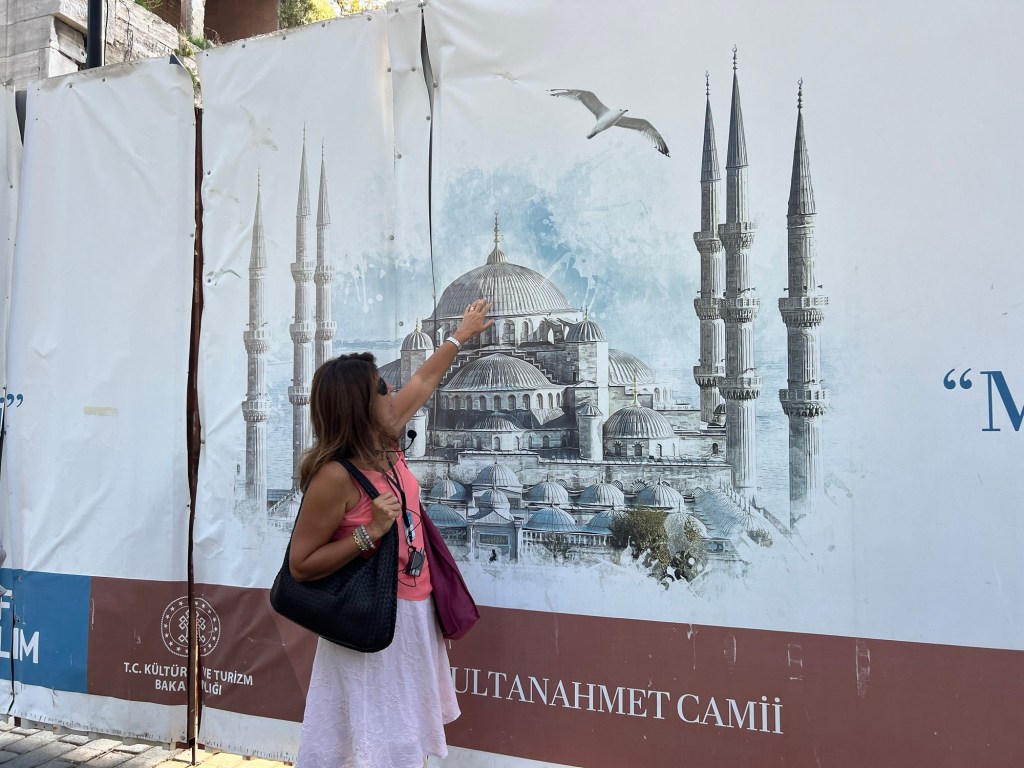
One of the highlights of Istanbul is Hagia Sophia. Built by Emperor Justinian in 537 as a Greek Orthodox Church. It took 10,000 workers and 1,000 masters to complete this in less than 6 years. A geometrician and mathematician were employed to head up the project. It was one of the first structures to have windows in the domes to lessen the weight and the cascading domes with flying buttresses provided the support to construct the biggest dome in that time.
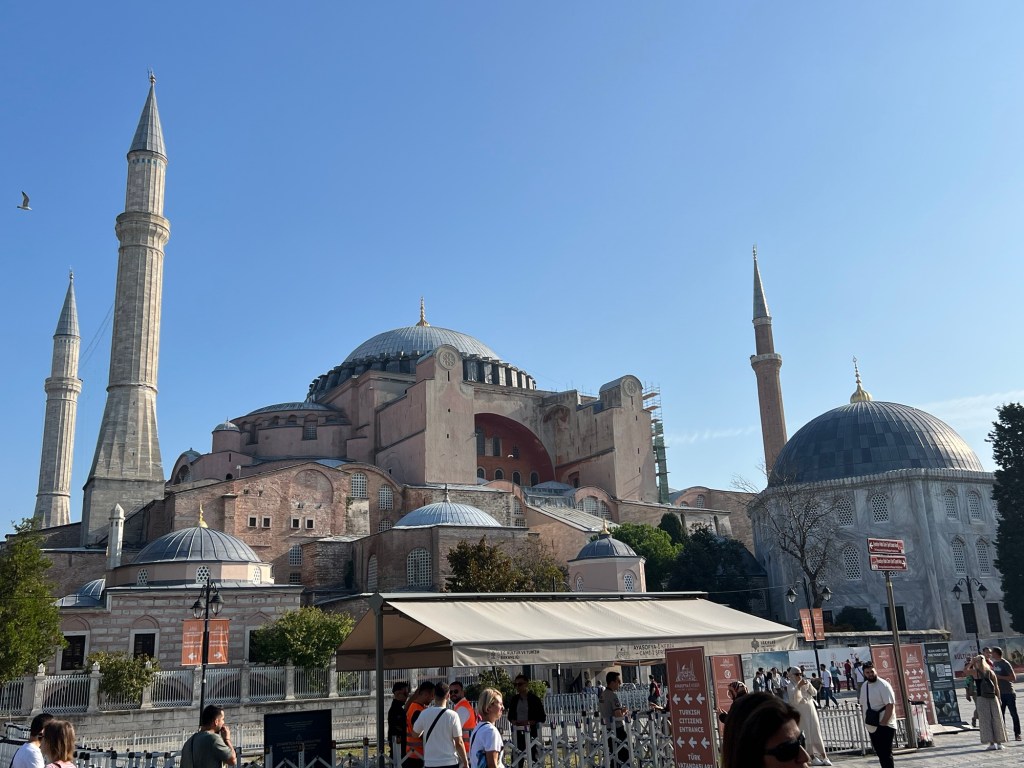
This Christian church (for the first 1,000 years) was named after Jesus. Hagia means holy or divine. Sophia means wisdom. After major earthquakes, conquests, and ransacking, the church fell into disrepair. When the Ottoman Empire took over Constantinople in the 1400’s, the sultan rebuilt the structure and made it a mosque. It was a mosque until 1935 when it became a museum. In the 2000’s it returned to being a mosque.
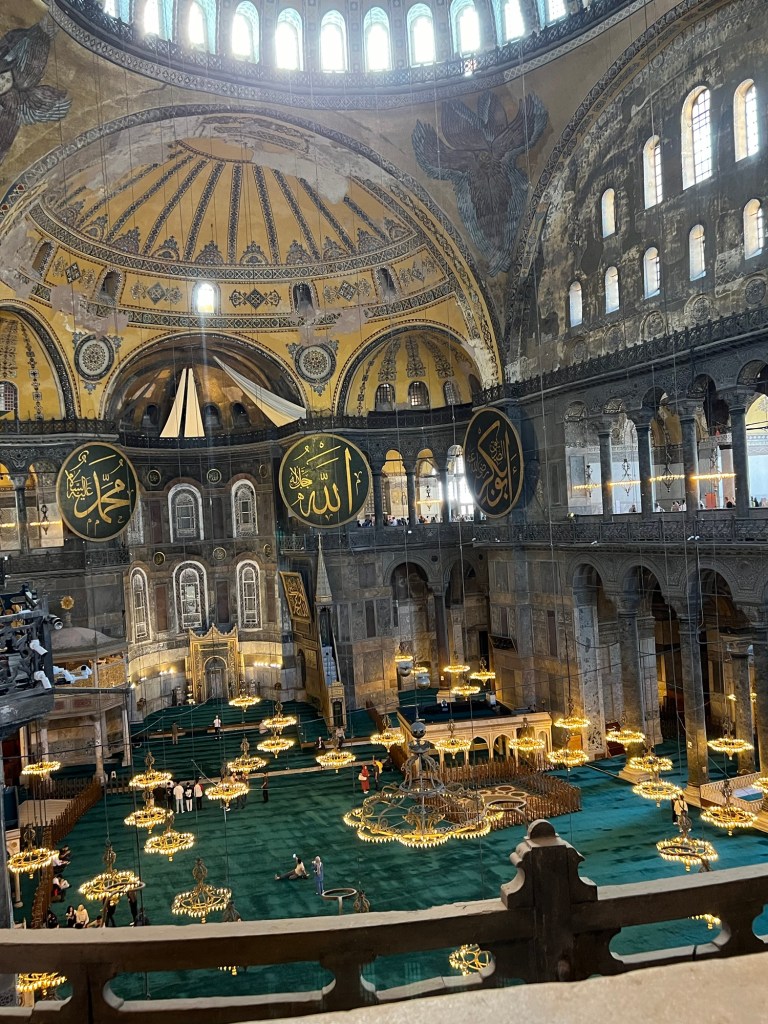
Now only Turkish Muslims can go on the main floor. Non-Turkish Muslims are allowed on the main floor during one of the five prayer times each day. Those prayer times are Dawn (5:40), Sunrise (7:10), Noon (12:50), Afternoon (4:45), Sunset (6:30), and Night (8:00). These are not unlike the times the monks pray in the Christian monasteries.
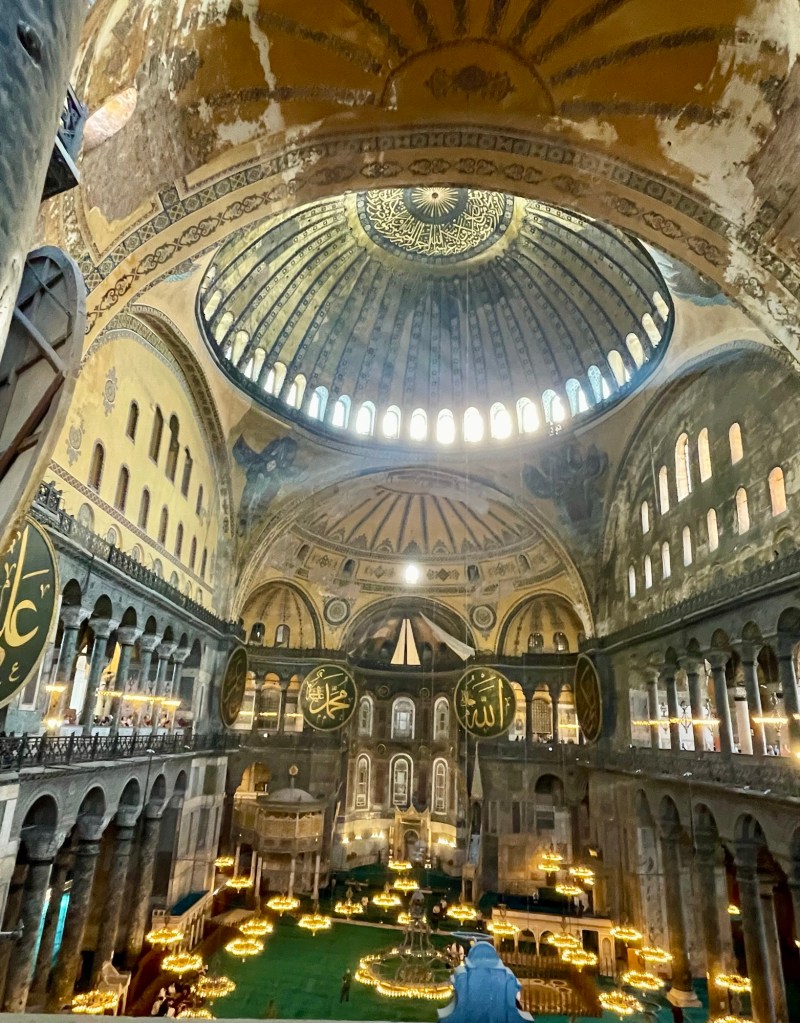
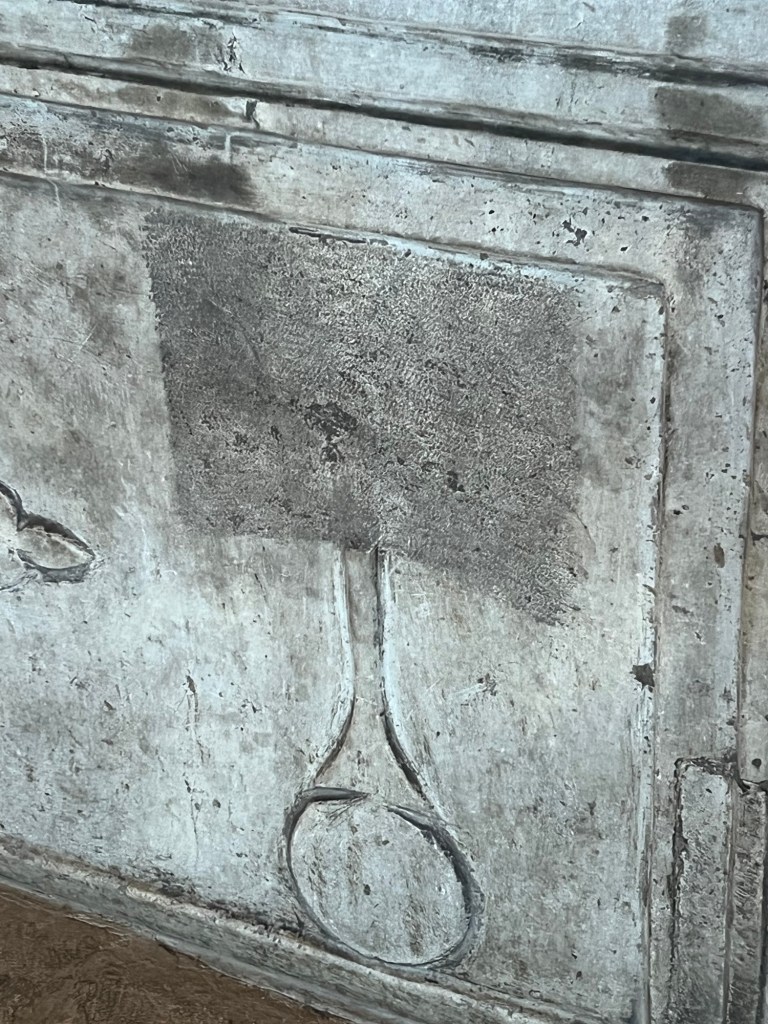
So how do you turn a church into a mosque? You rub off the tops of the crosses.
You cover the Christian frescoes up front. This one is hiding the angel Gabriel.
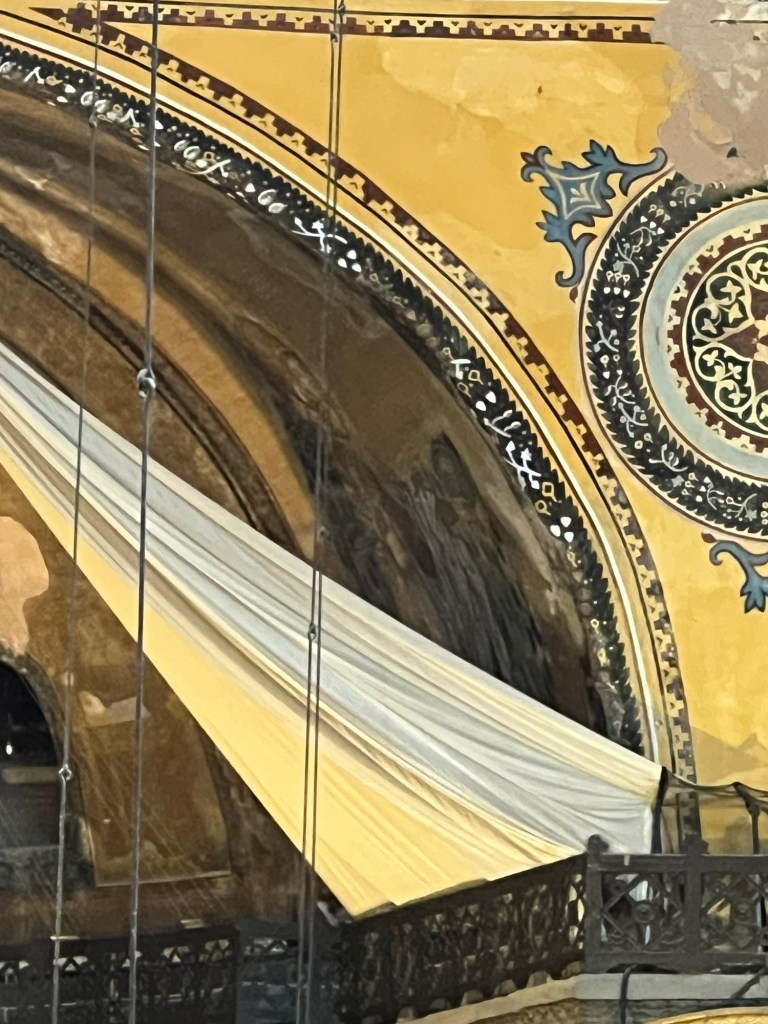
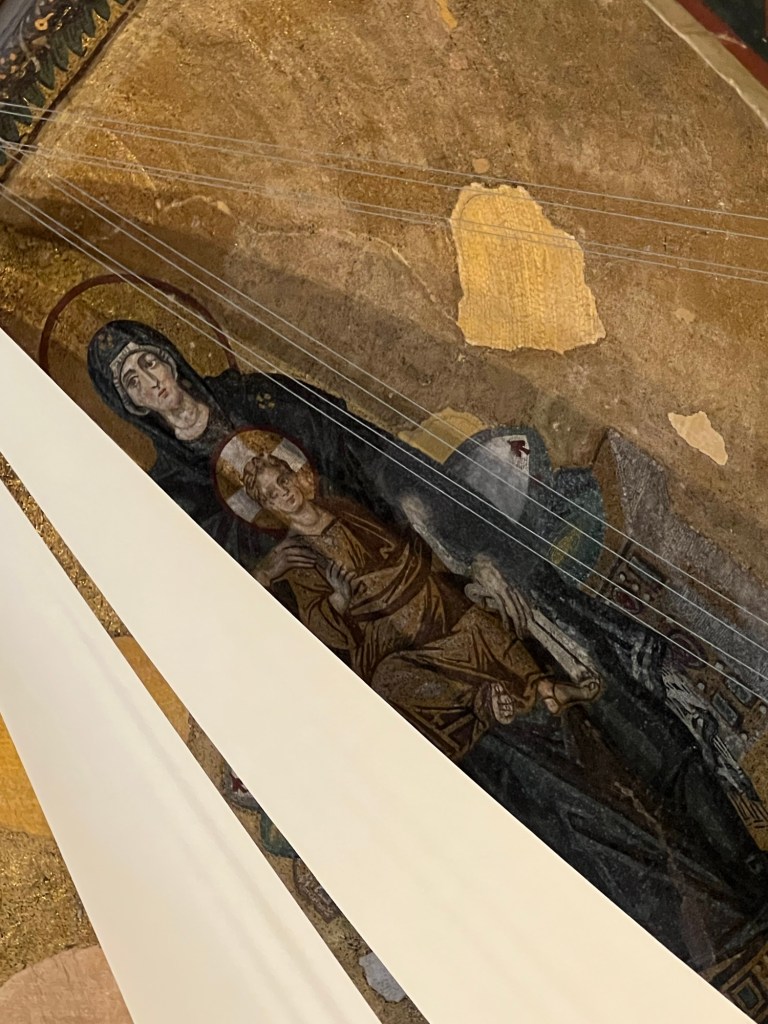
From a certain angle, Mary and Jesus can be seen behind the other white sheet.
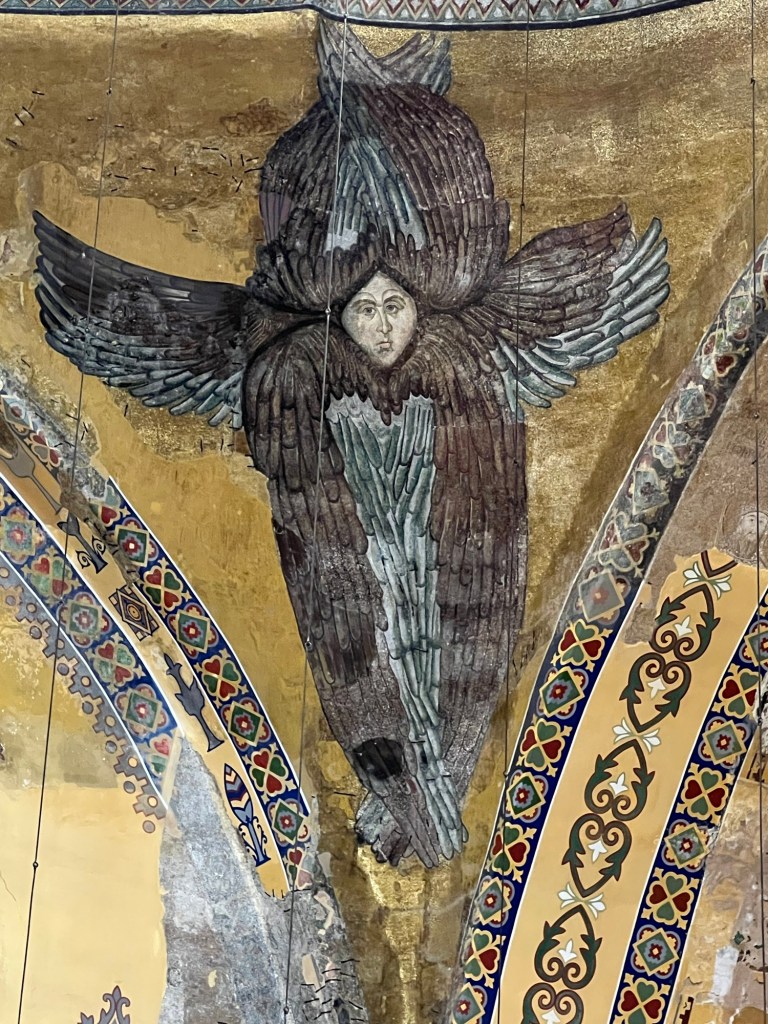
One thing they didn’t hide were the four angels at each corner “holding up” the dome.
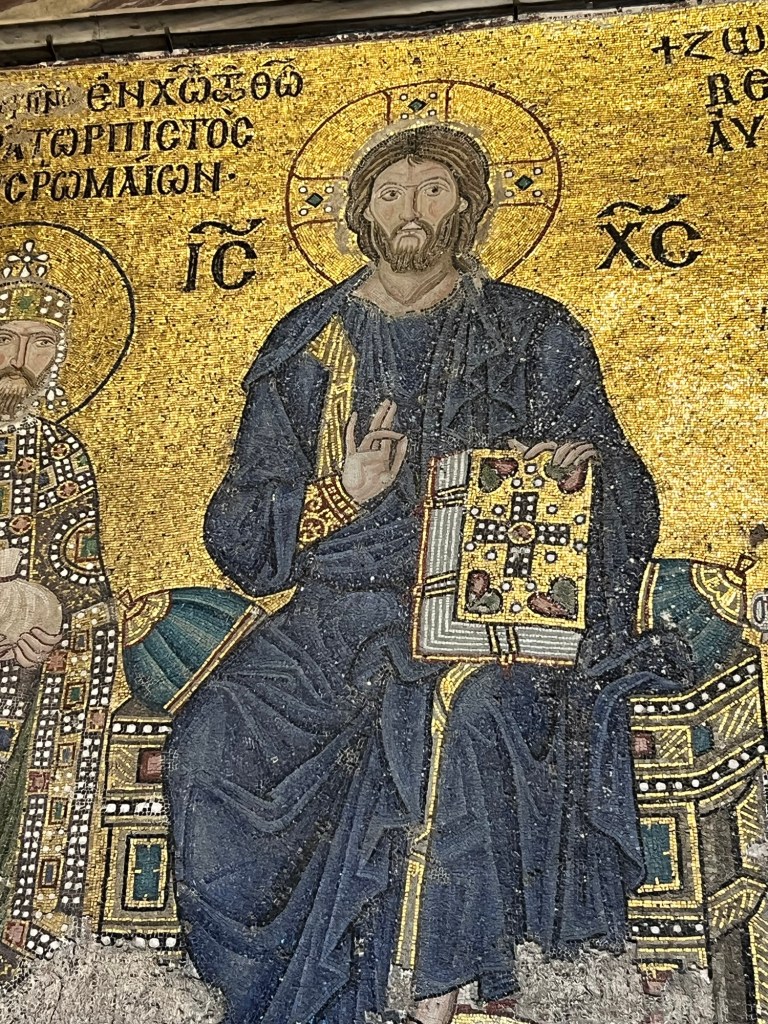
Fortunately the beautiful mosaics were not destroyed or even covered. Thank goodness that Islam considers Jesus a prophet so having one of their main prophets on the walls was not an issue. This is one with Jesus.
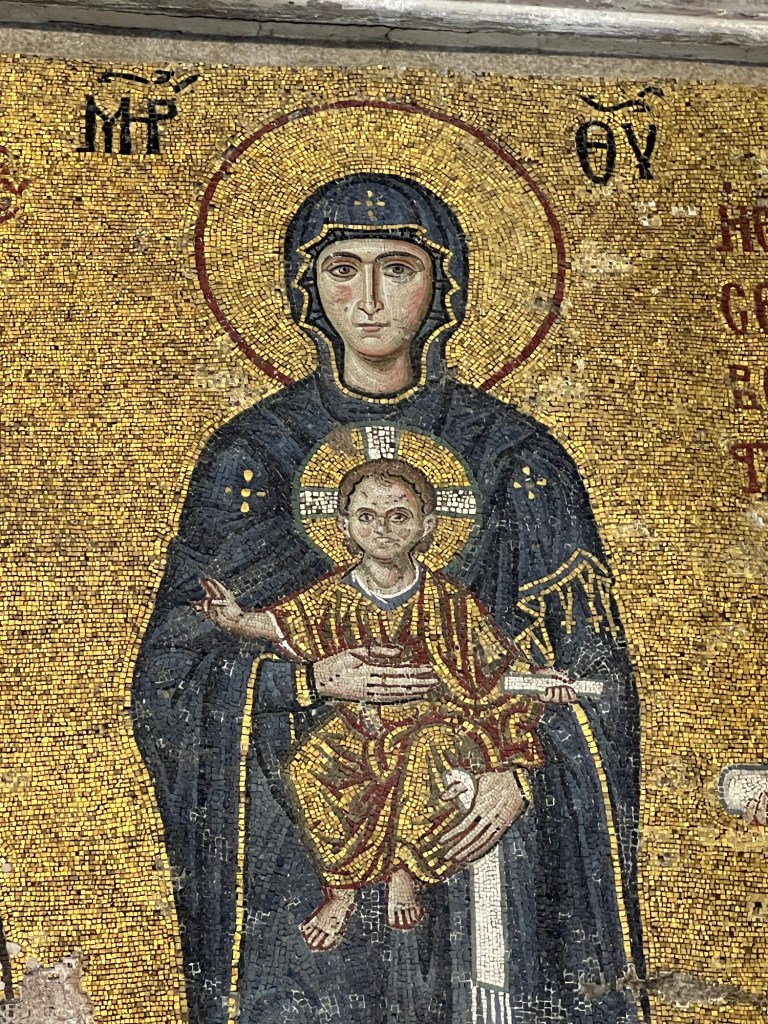
Here is Mary with Jesus. They were exquisite.
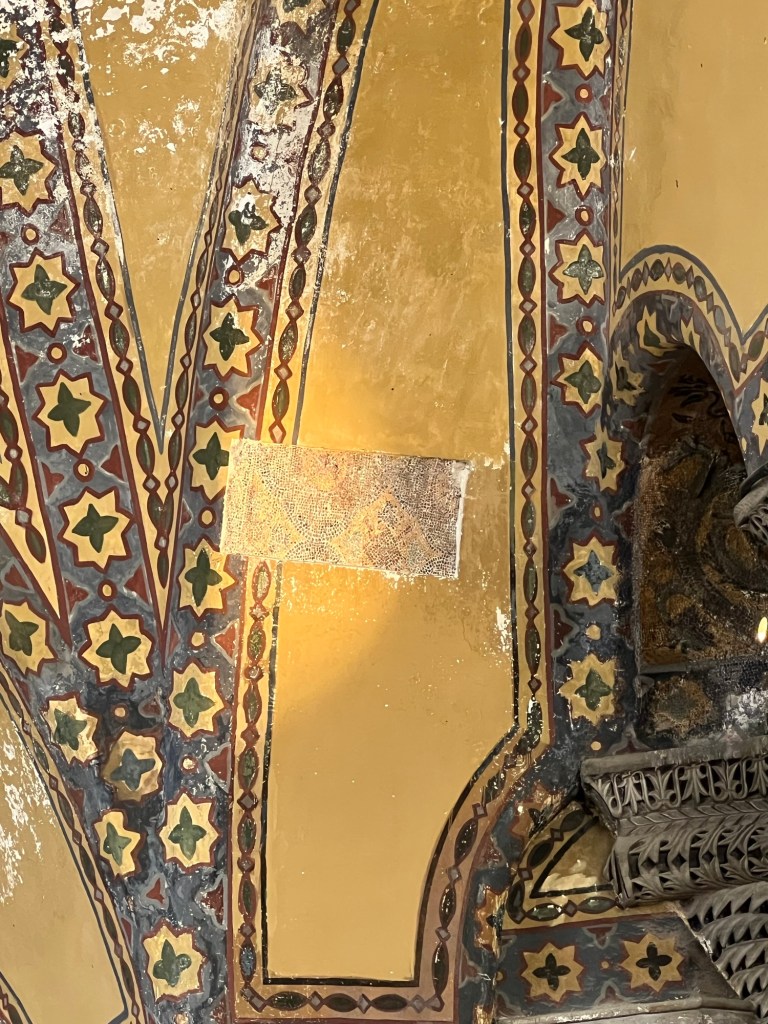
The decorative mosaics in the ceiling were covered over. Archeologists have peeled away some of the plaster to reveal sections of the mosaics.
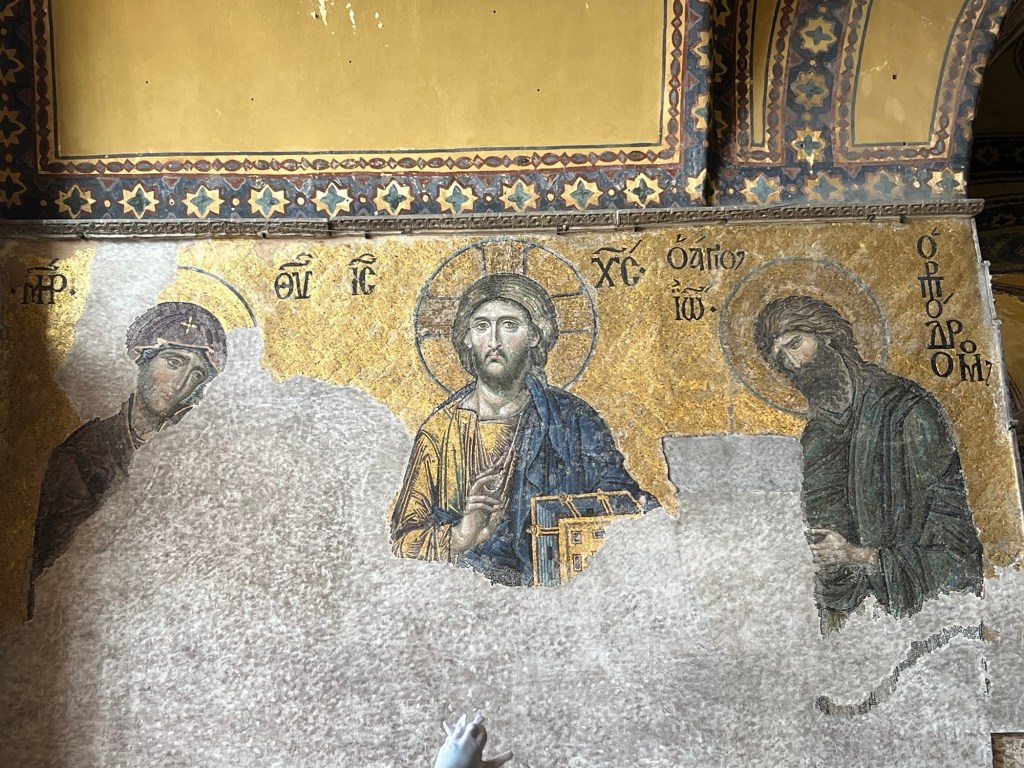
In the mosque the main mosaic is of Jesus, Mary, and John the Baptist. Mary and John are pleading with Jesus to intercede for the sake of humanity.
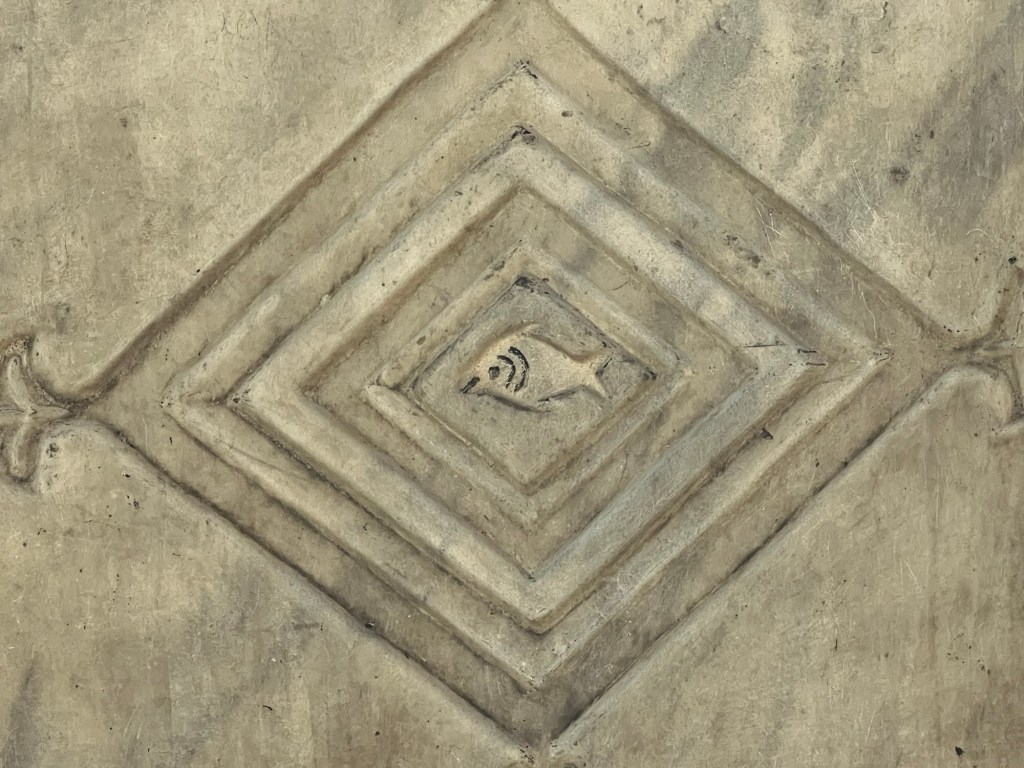
Christians did leave a few symbols as a reminder of their presence. The fish has long been a Christian symbol since the letters for fish in Greek are an acronym for Christ Jesus, Son of God, Savior.
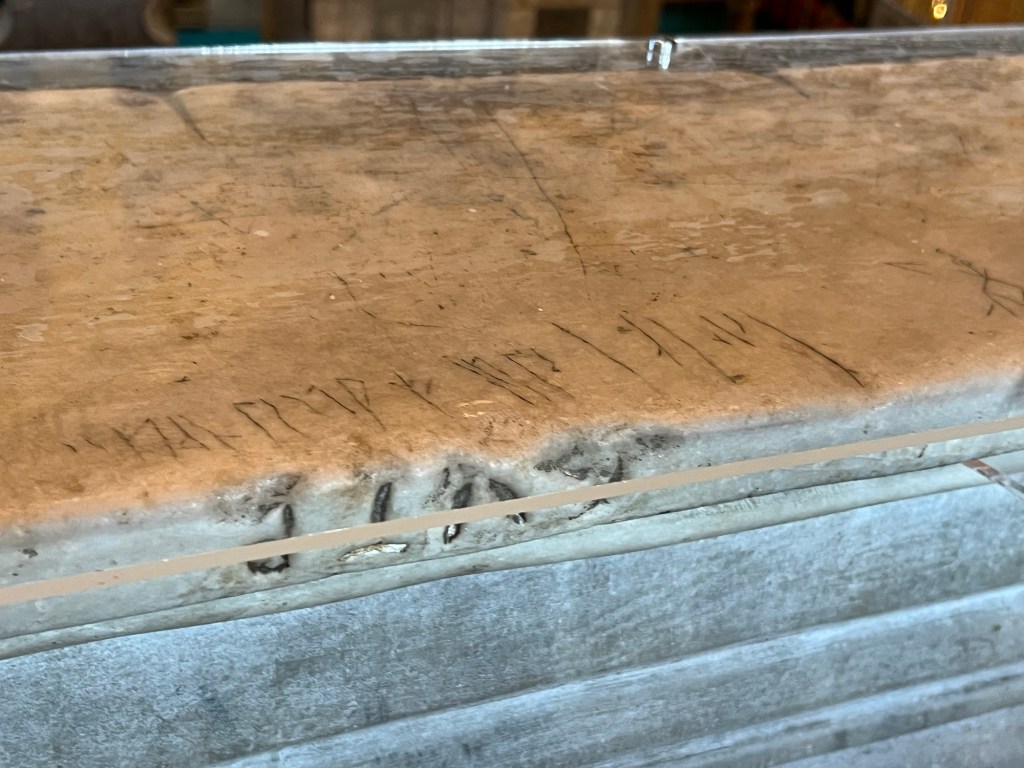
Christians weren’t the only ones to leave behind traces of their presence. A carving on the marble of the balcony says that “Halvdan was here.” This is a Viking name etched in the Viking language over 1,000 years ago. See, graffiti could have a purpose hundreds of years laters.
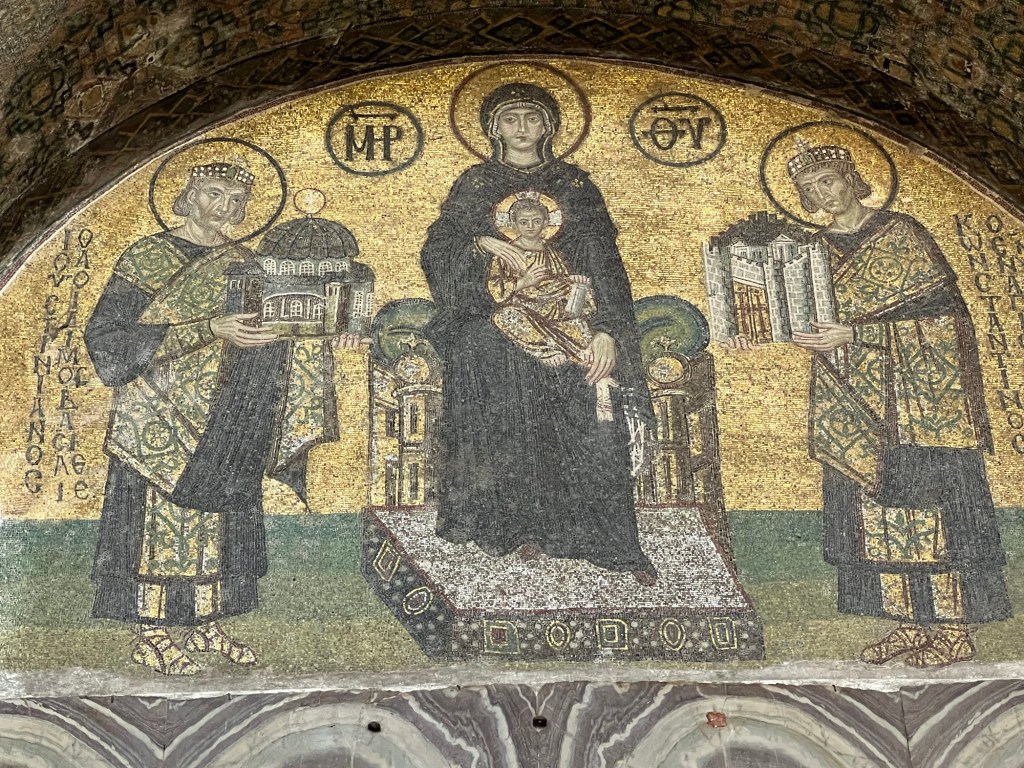
Downstairs was the best preserved mosaic of all. On the left Emperor Justinian presents the Hagia Sophia to Mary and Jesus while Emperor Constantine presents Constantinople, his city.
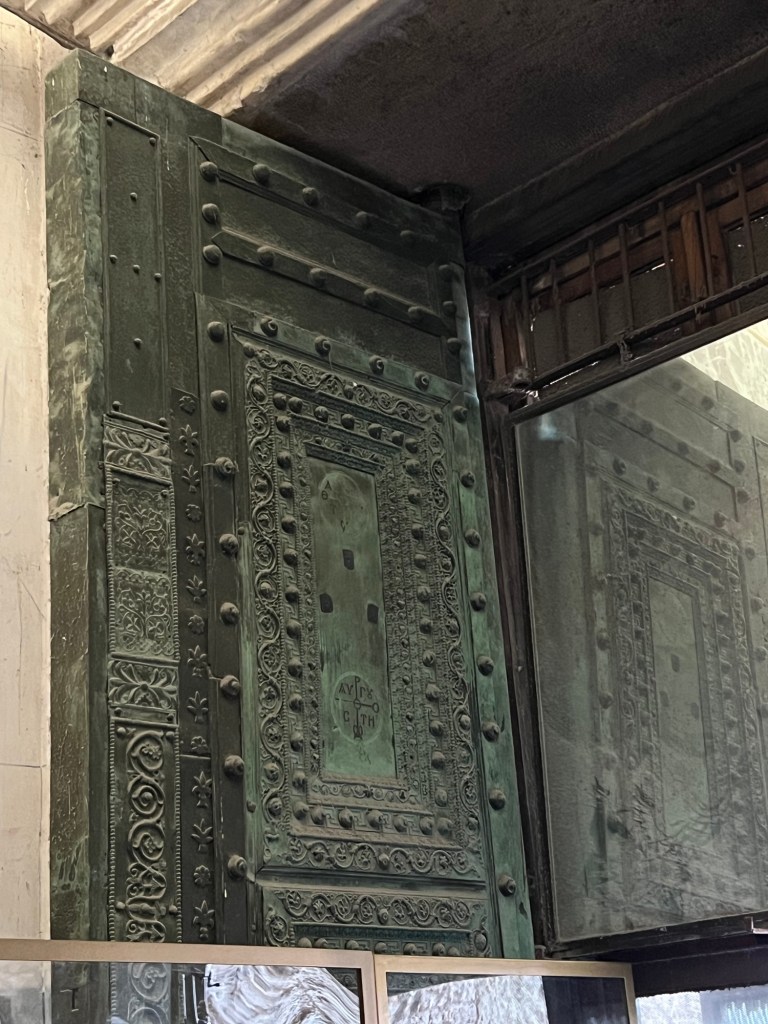
As we were leaving it was pointed out that the doors are crafted from cedar wood, coated in bronze, and made in Tarsus dating back to the first century. Paul most likely saw these doors to the temple in his hometown of Tarsus. Pretty cool!
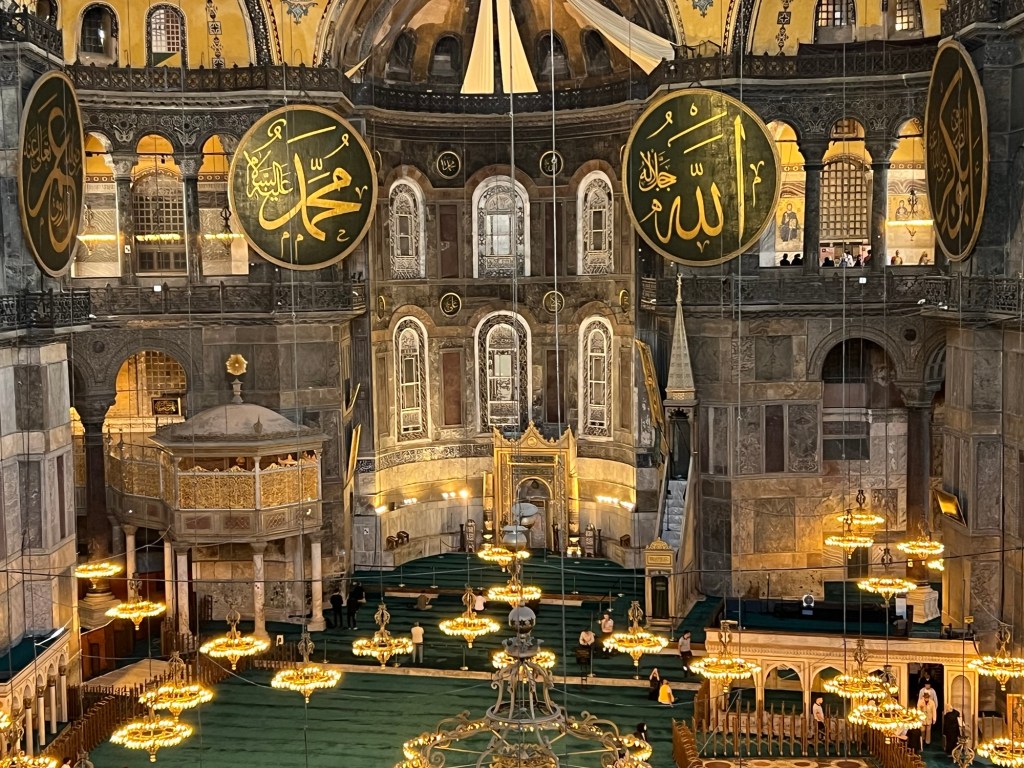
Hagia Sophia did not disappoint in being one of the most spectacular sights in Istanbul.
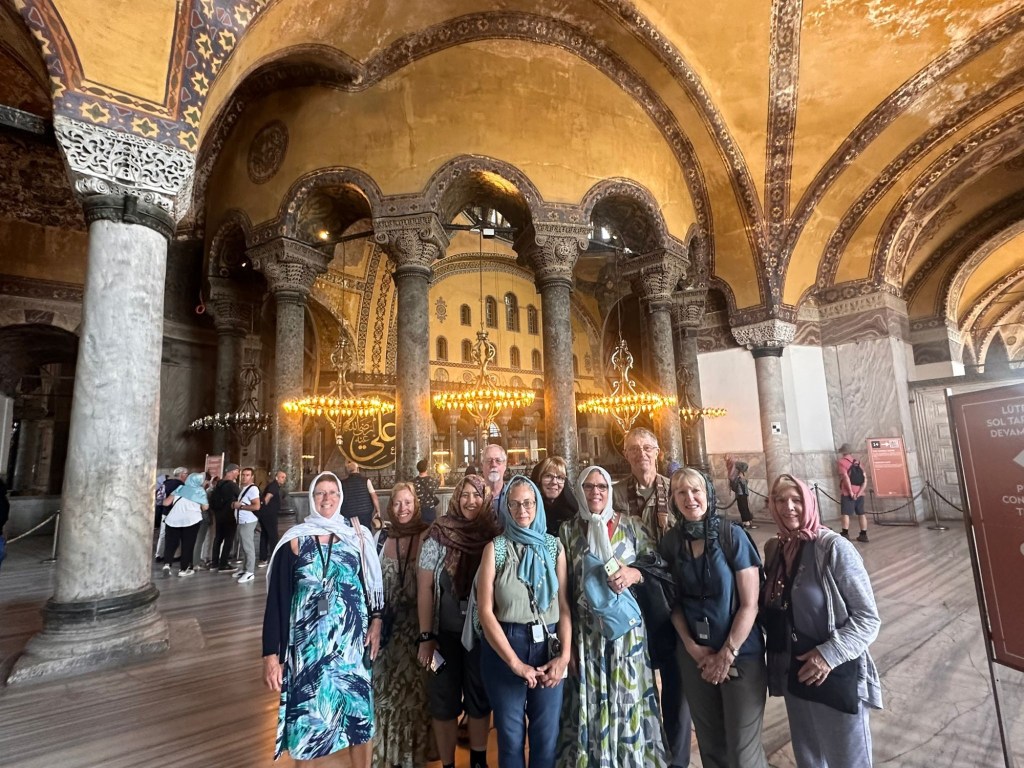
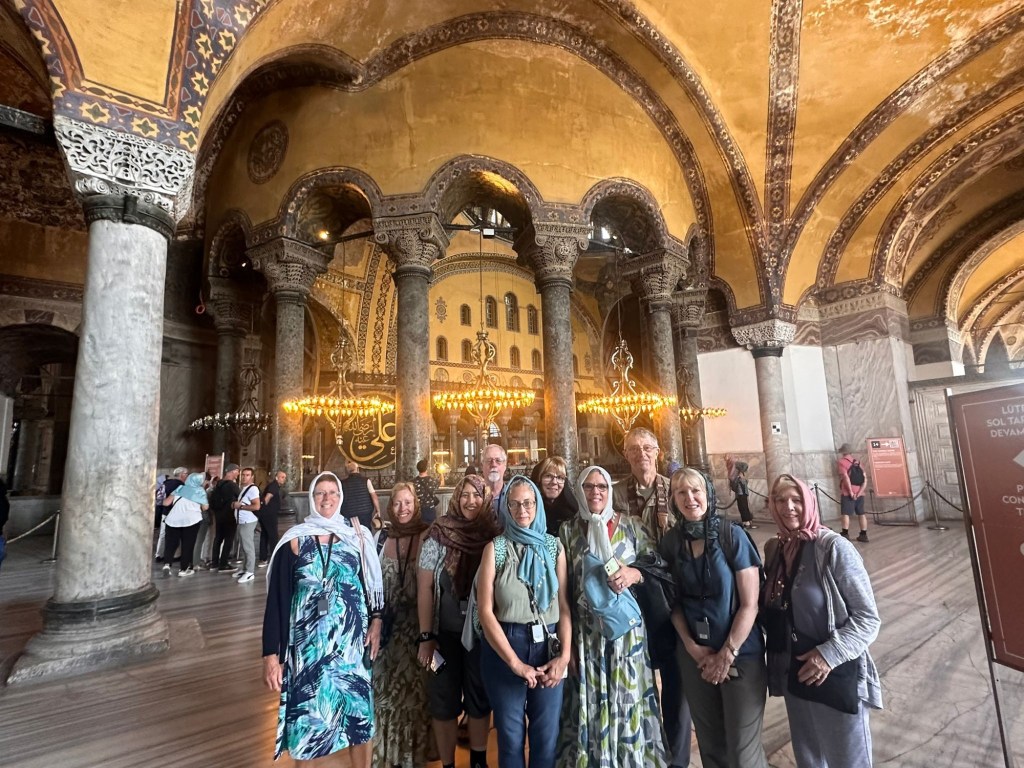
We wanted to commemorate the visit with a group picture.
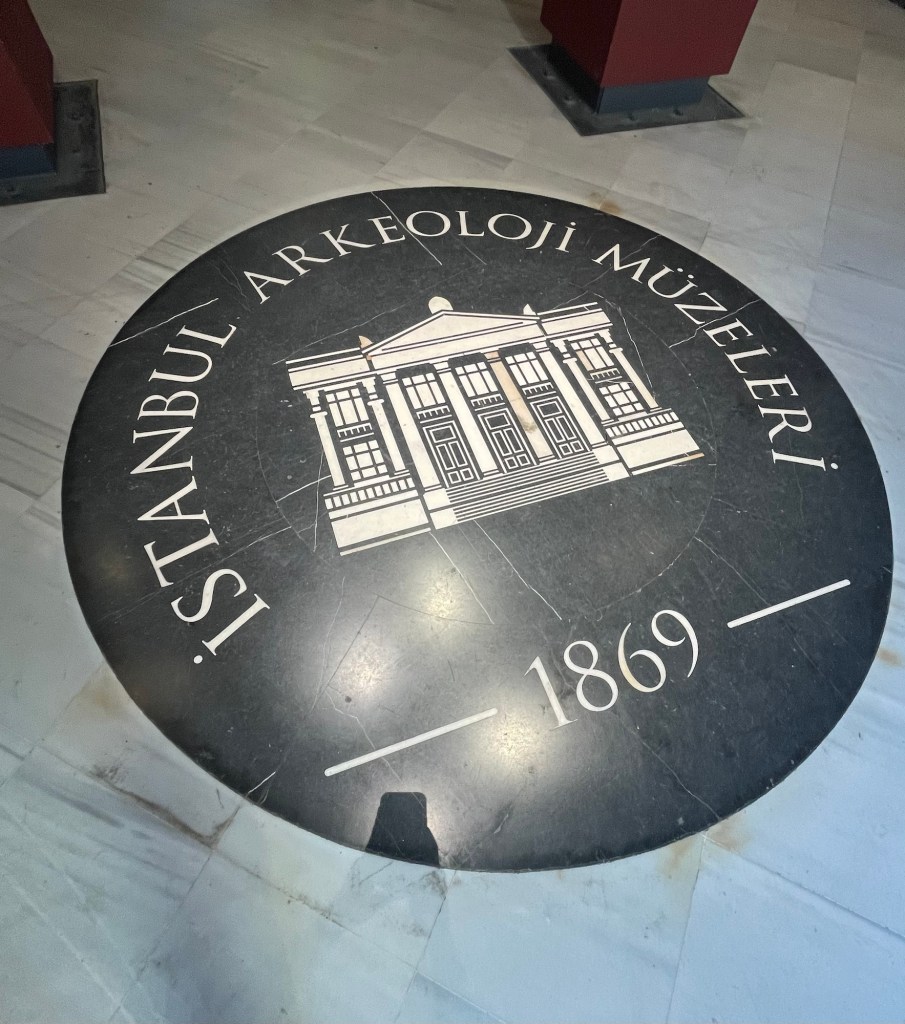
Our next stop was the Istanbul Archeological Museum begun in 1869.
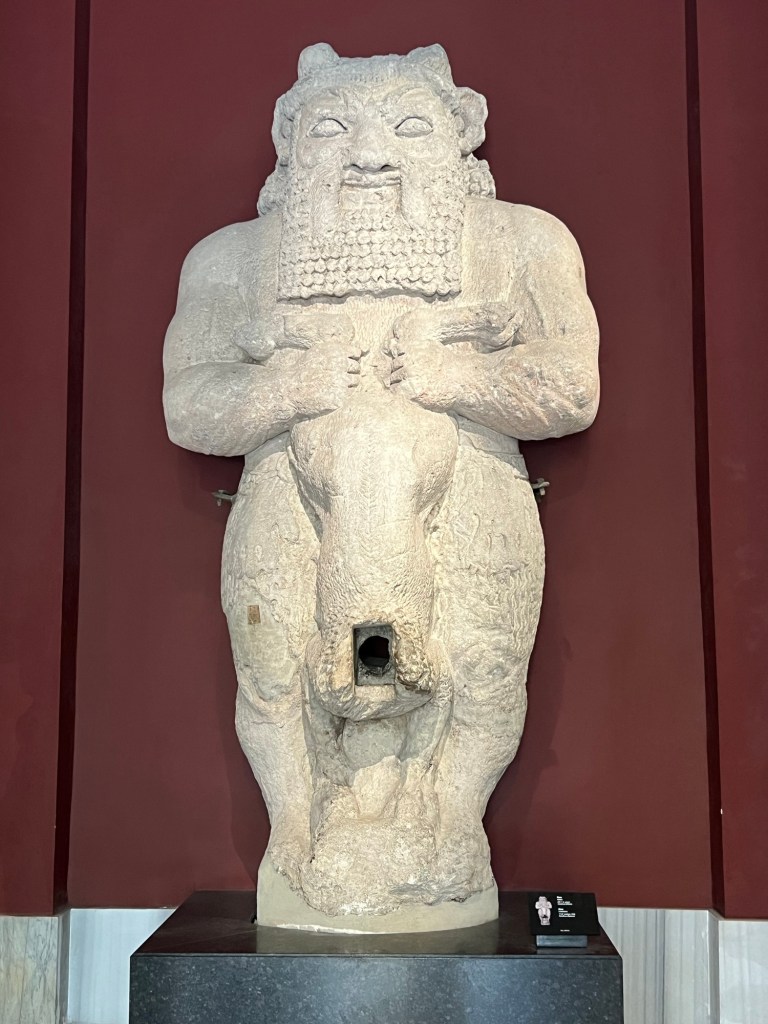
Bes is there to greet you at the door. He is a god of war found in Cyprus from the 6th century BCE. In other words, about 600 years before Jesus was born. He is seen here holding an animal with a fountain that would have come forth from him.
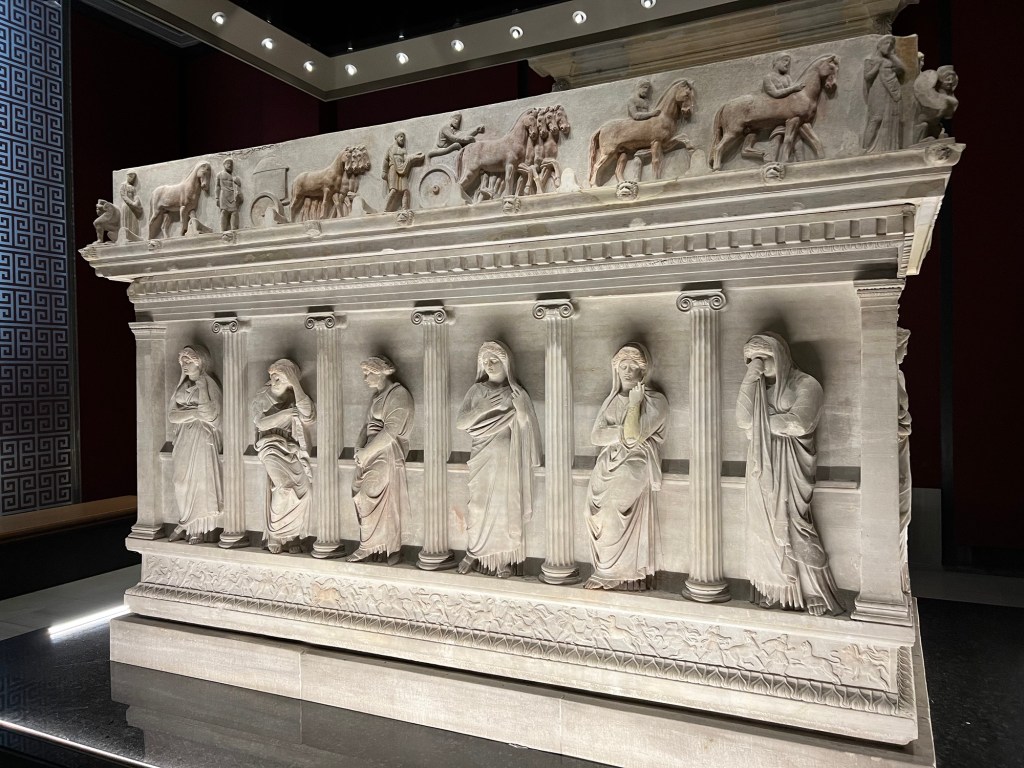
We saw two large sarcophaguses (coffins) with elaborate carvings on the side. One was of the mourning women who were hired by wealthy people to mourn at funerals. How would you like that job!
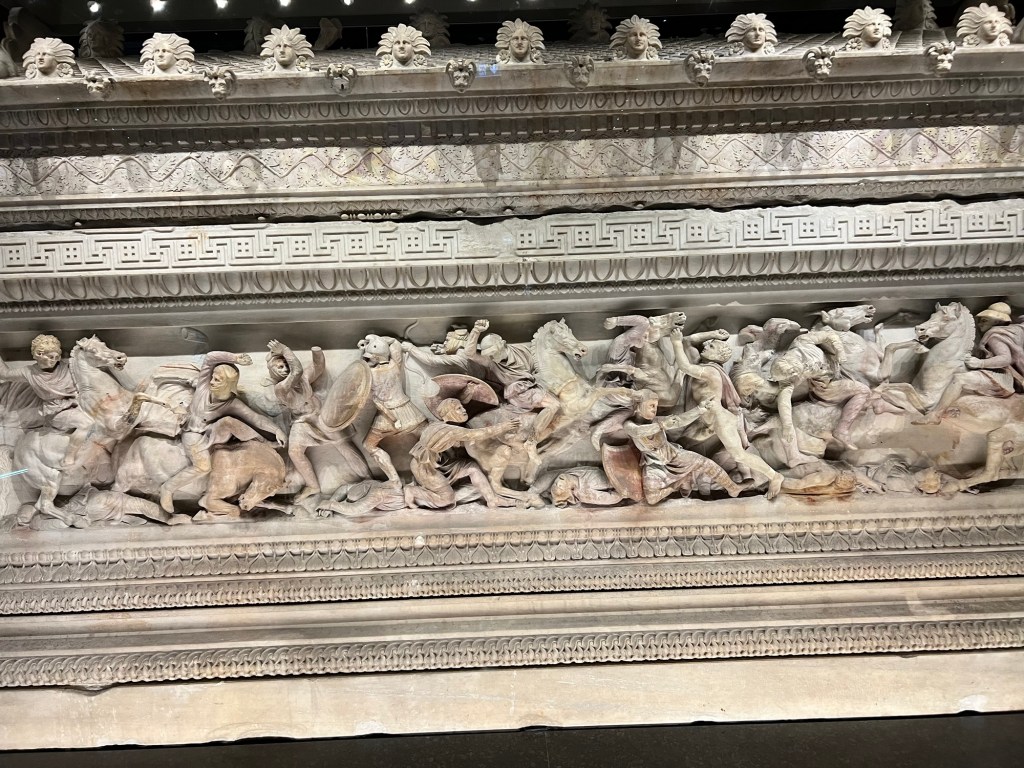
The other sarcophagus was an intricate battle seen. The detail was amazing. An Alexander the Great figure is on the left hand side on a horse while the guys in turbins are being defeated.
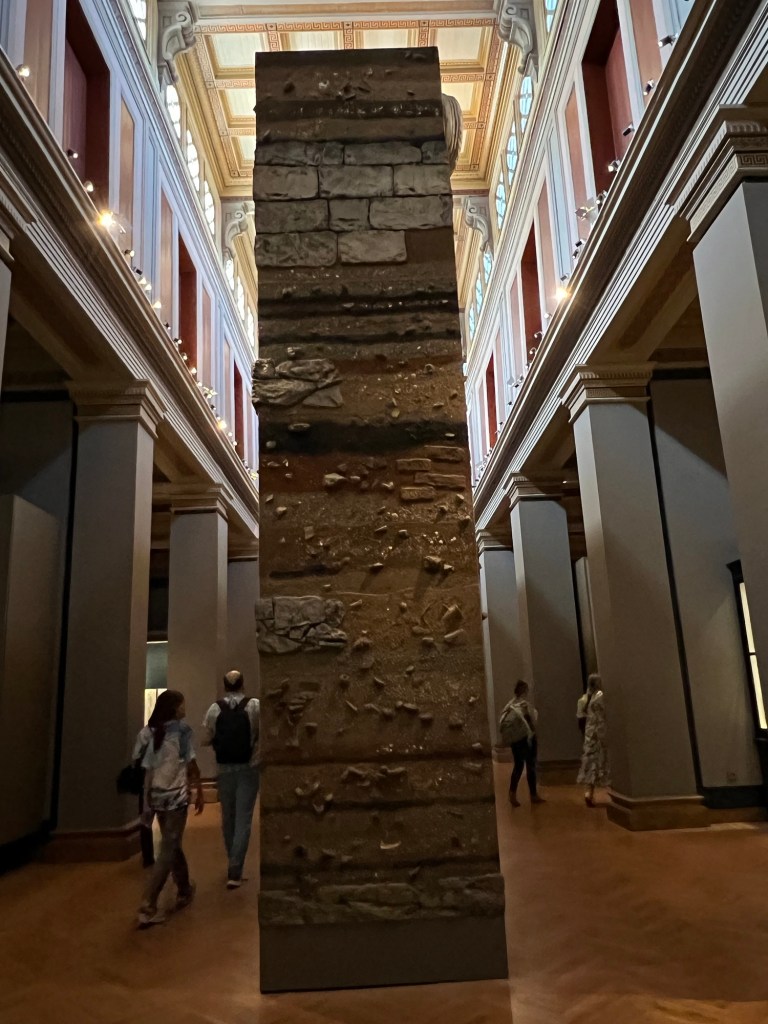
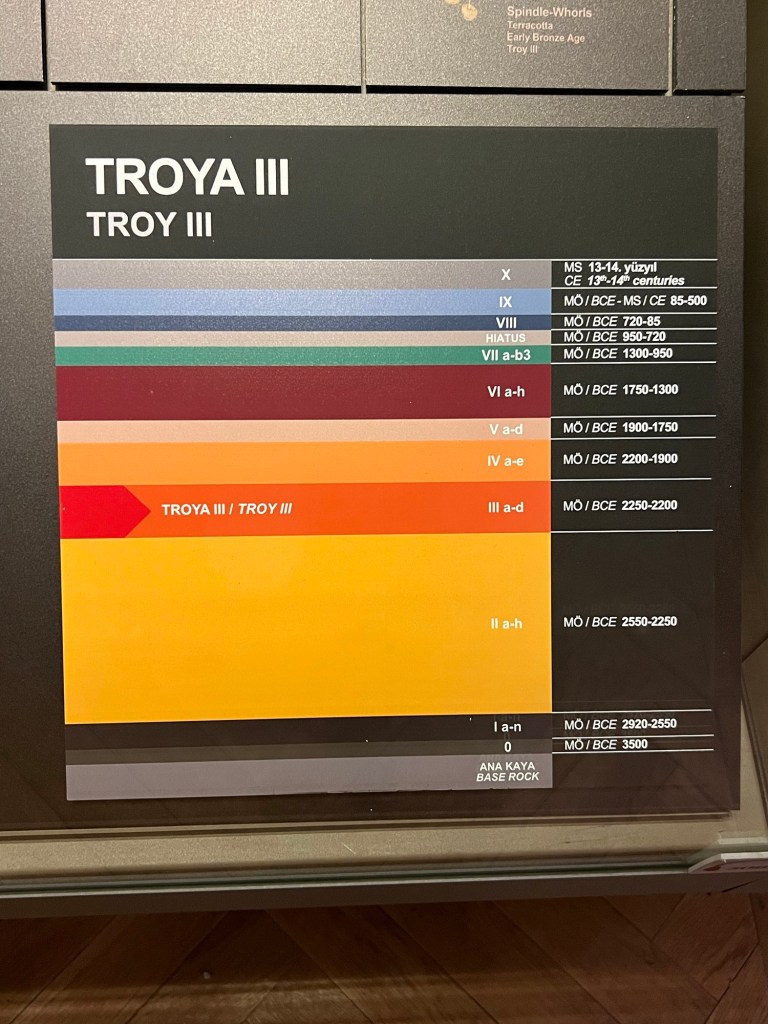
Next we saw a replica of thousands of years of layers of dirt in Troy. The history of these areas is amazing.
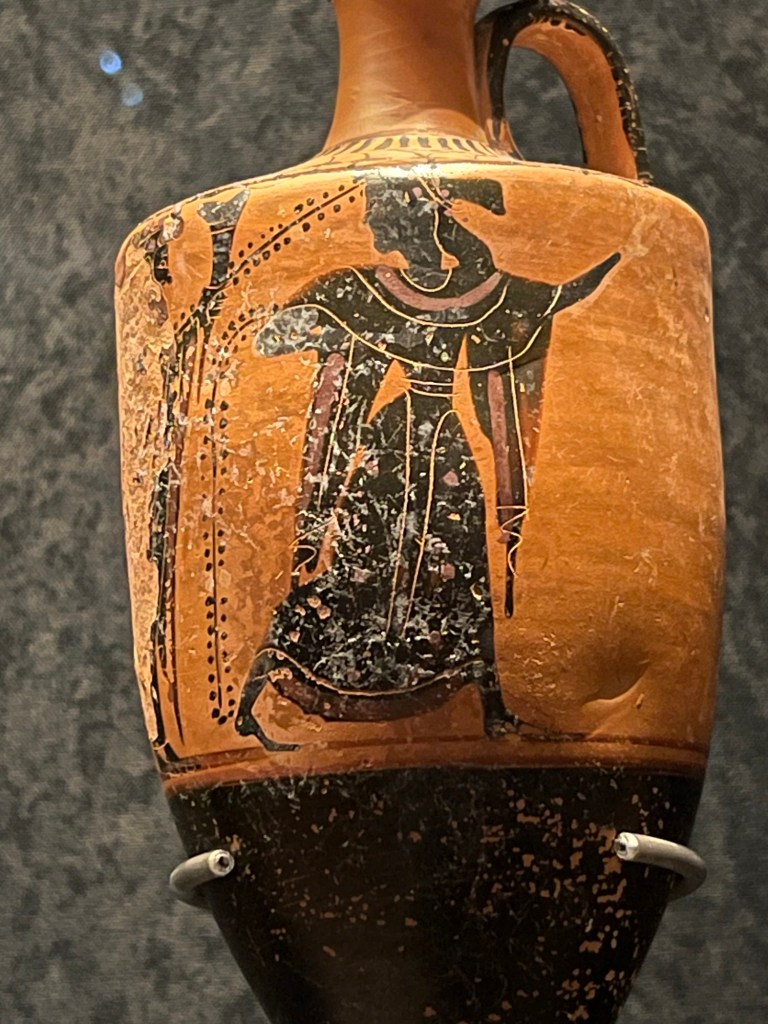
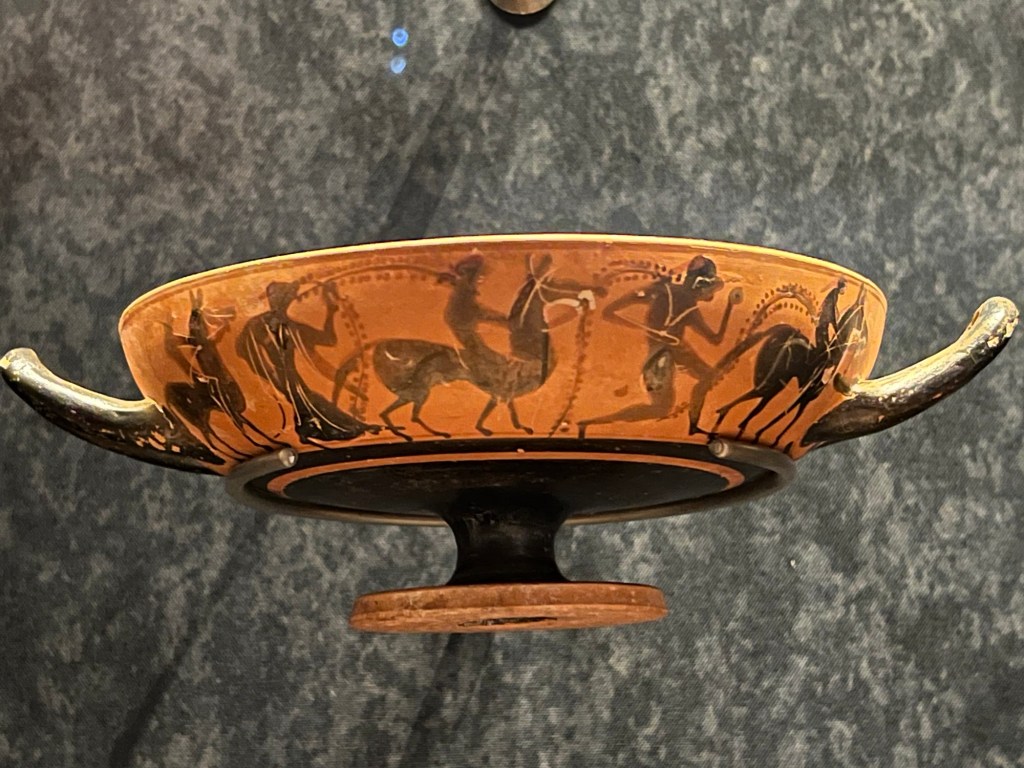
The famous black figures painted on cups, bowls, and vases in the 6th century BCEs in Greece.
Just in case one of you is missing your golden crown, you can find it in the museum dating back to the 3rd century CE. Emperor Constantine could have worn this.
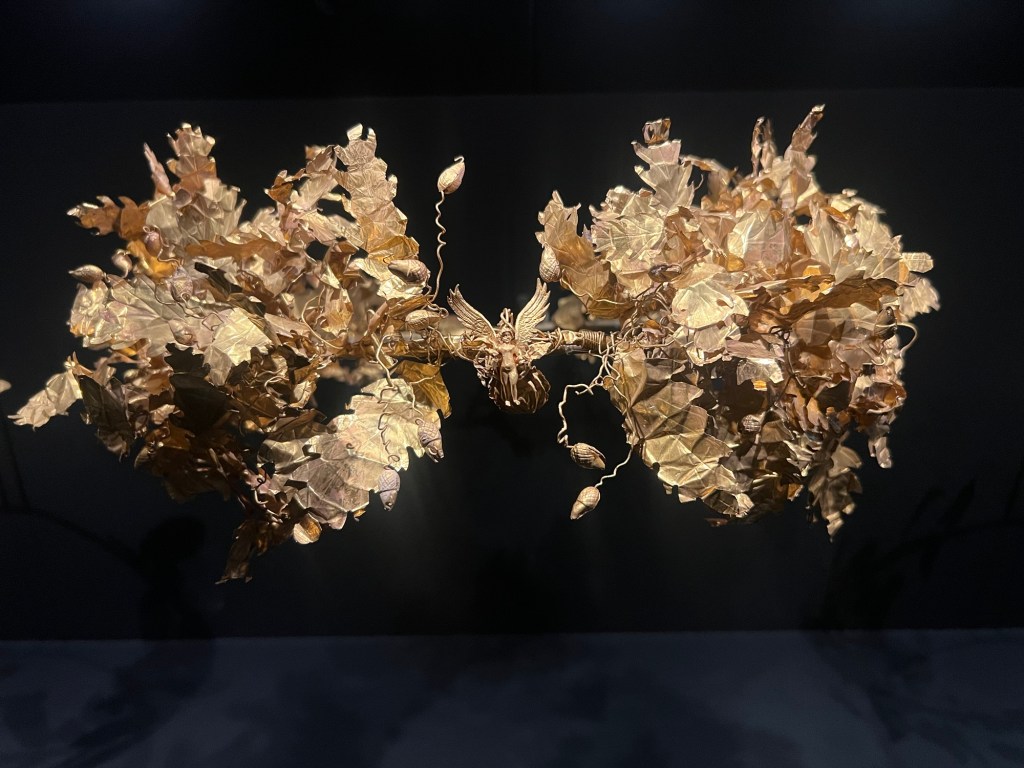
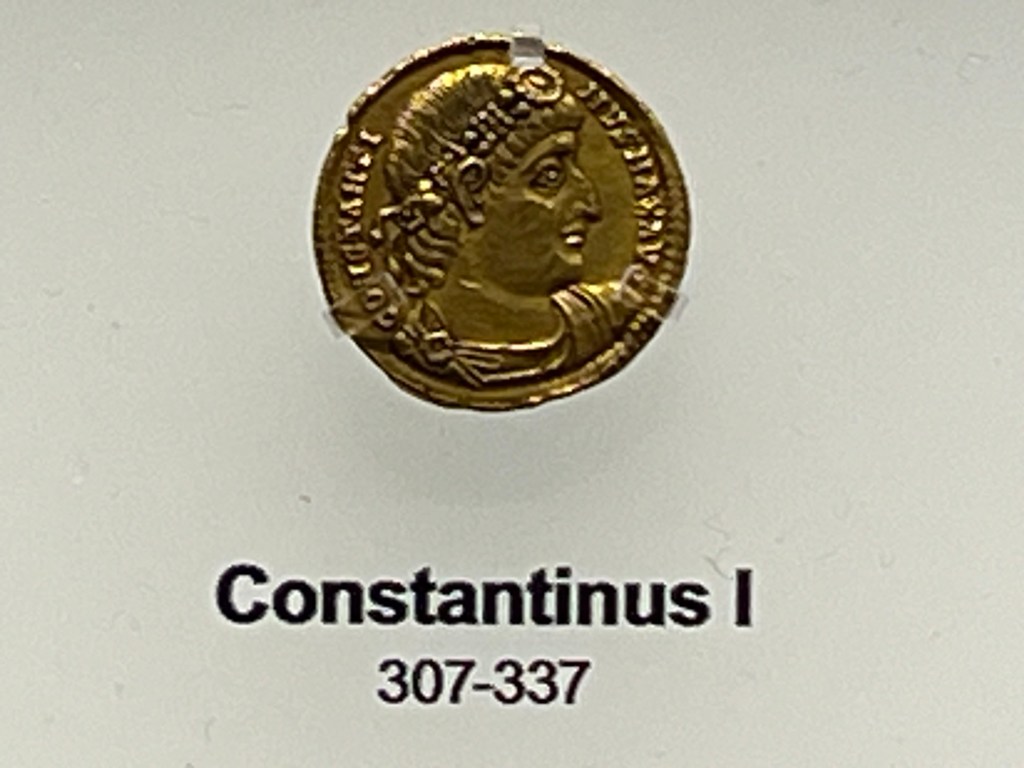
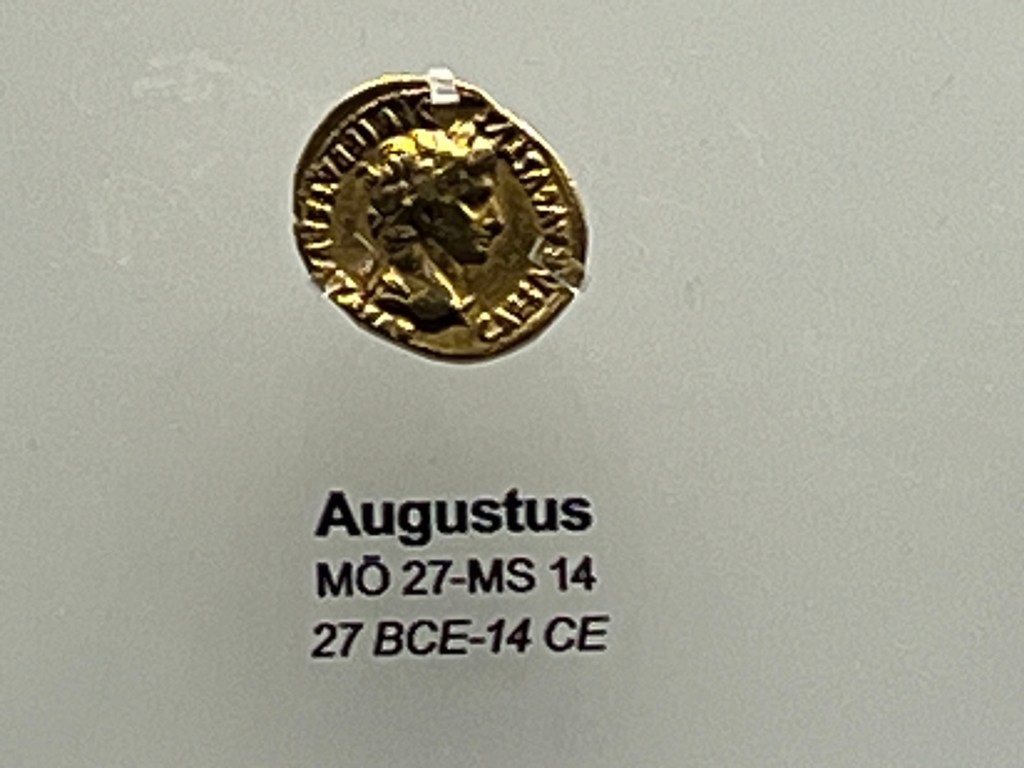
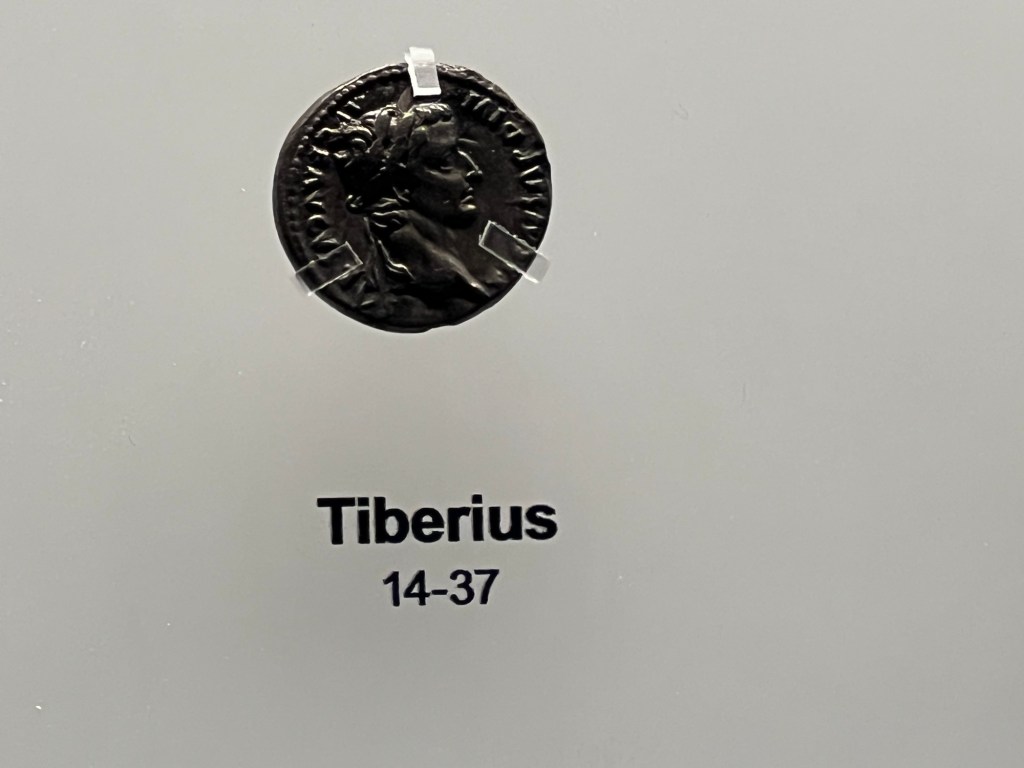
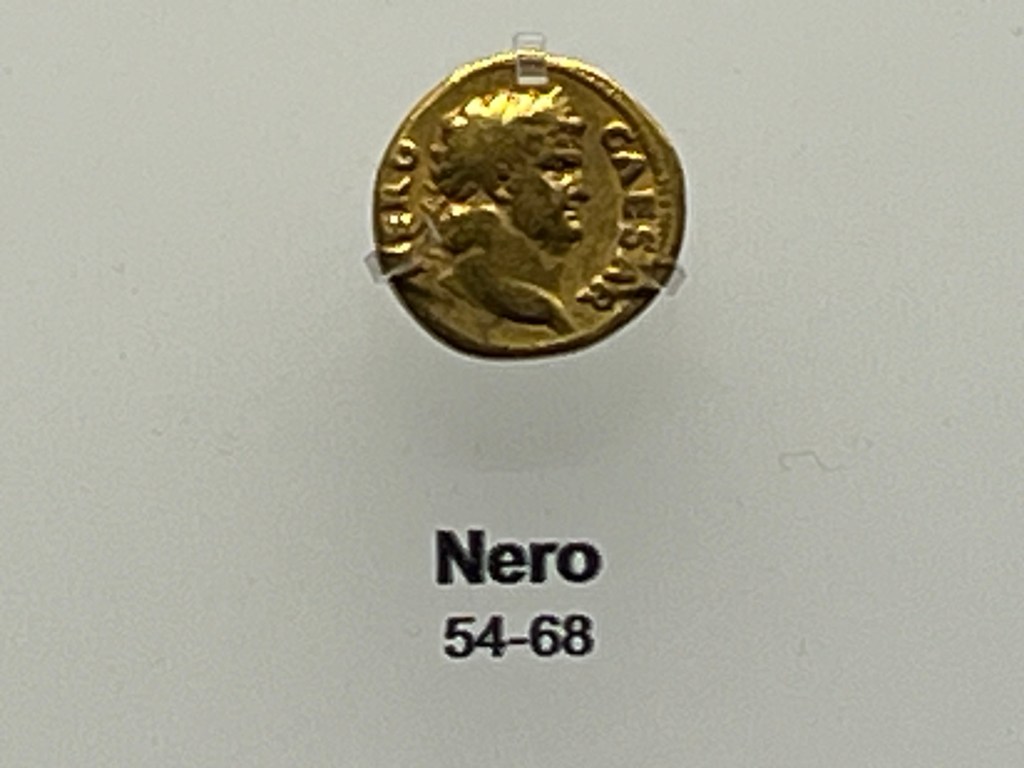
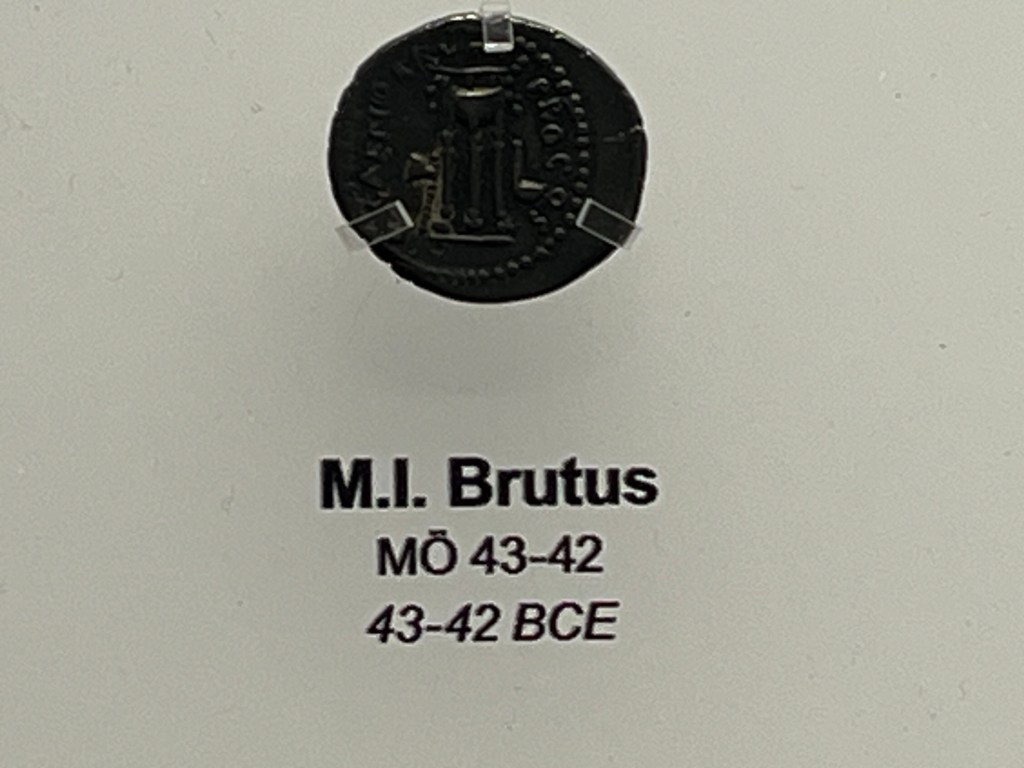
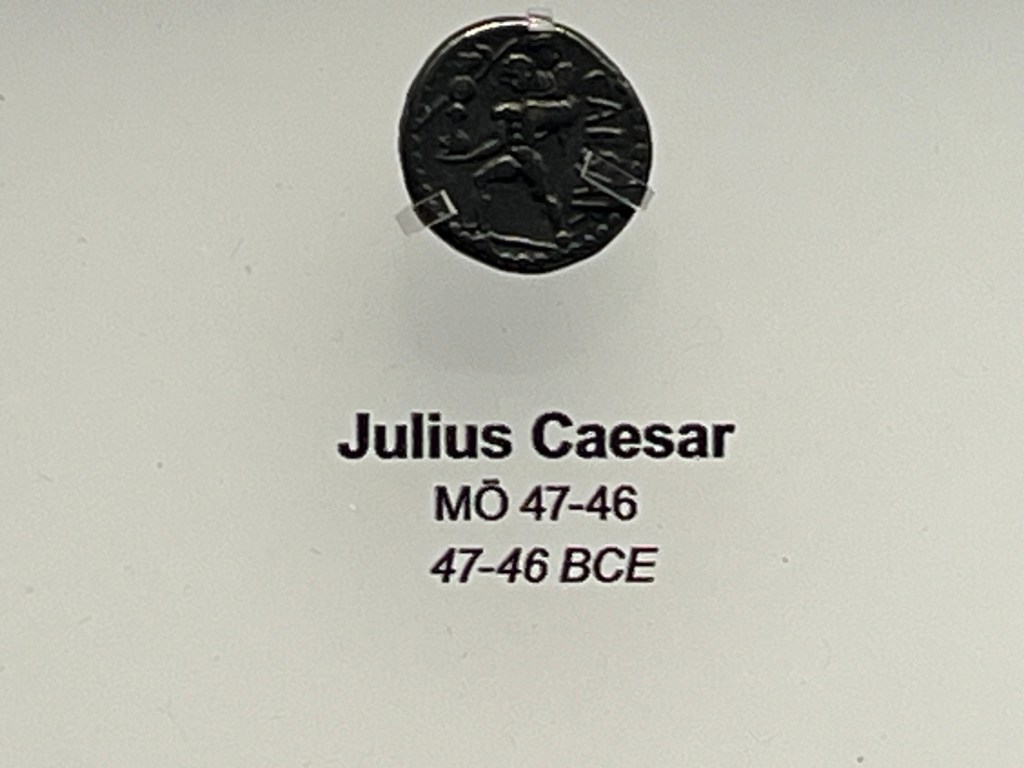
Finally, I went to the coins section. How many of these names do you recognize?
Hagia Irene is a “smaller” church near the Hagia Sophia. Again, Hagia means holy or divine and Irene means peace. So this was not dedicated to Irene but rather are names of Jesus: Holy Peace.
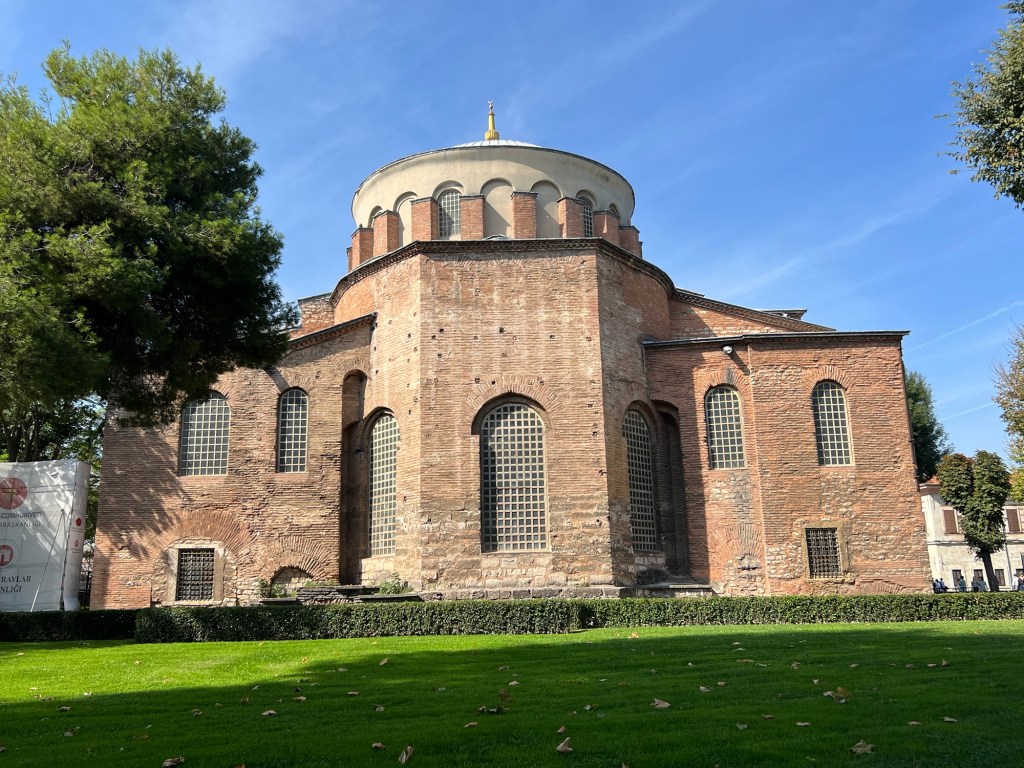
It’s under a lot of restoration at the moment as you can see.
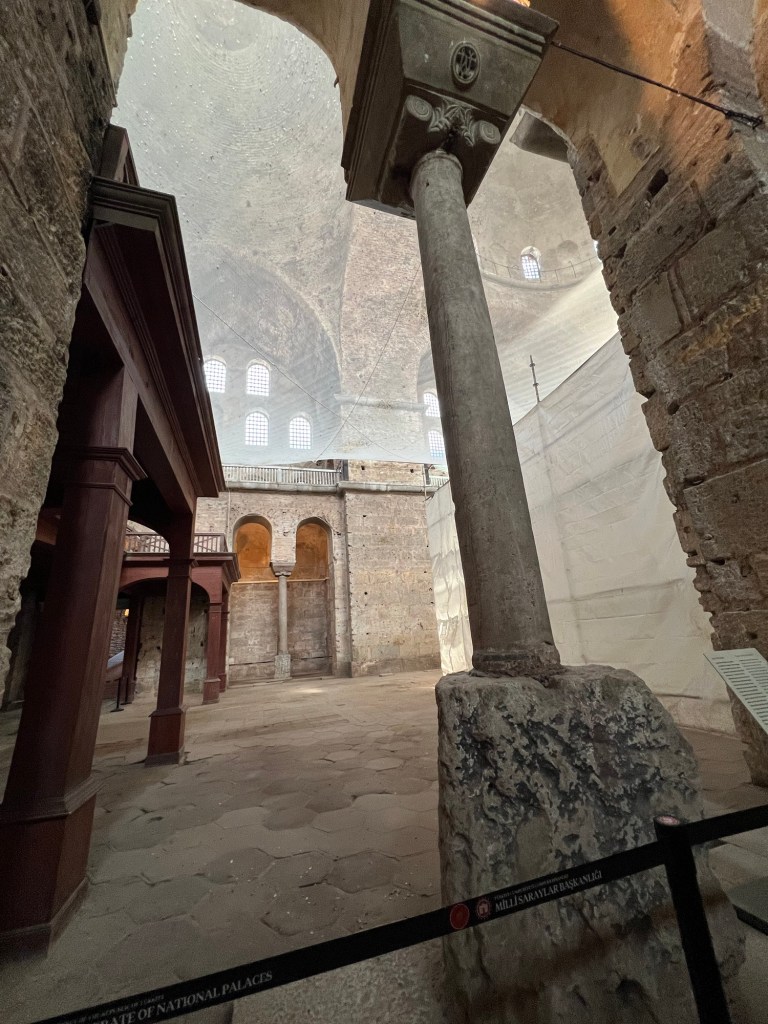
The church never became a mosque because Hagia Sophia is so close there was no need for another mosque. It became an artillery storage place for many years and now it’s back to a tourist destination. This is the front of the church.
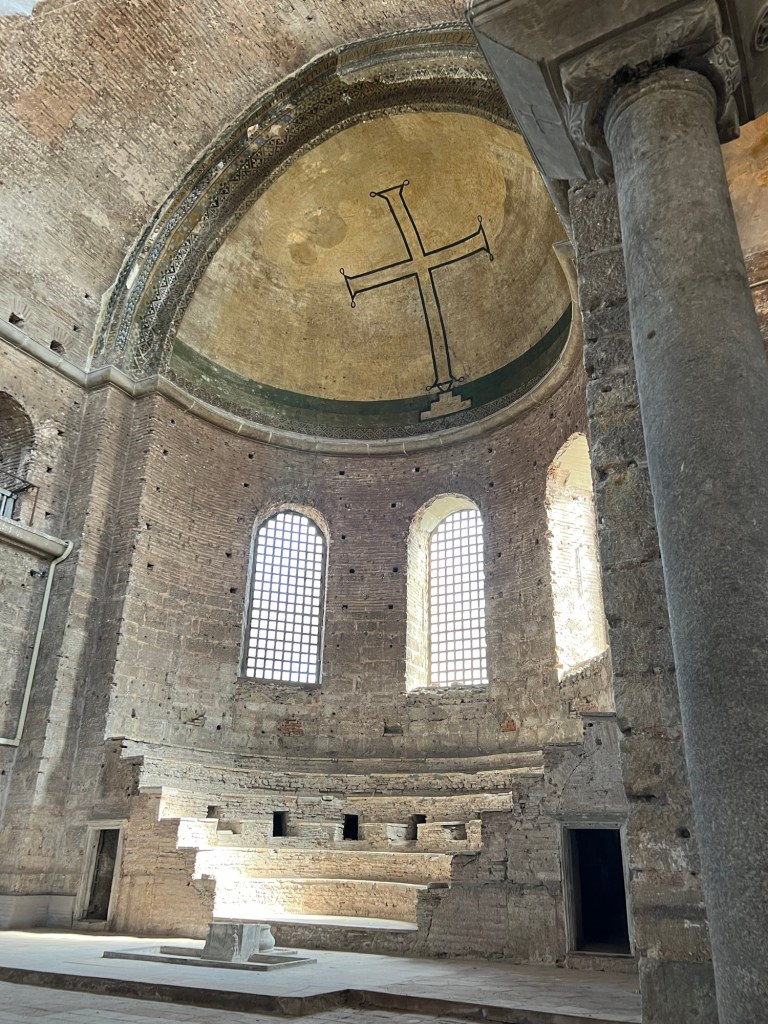
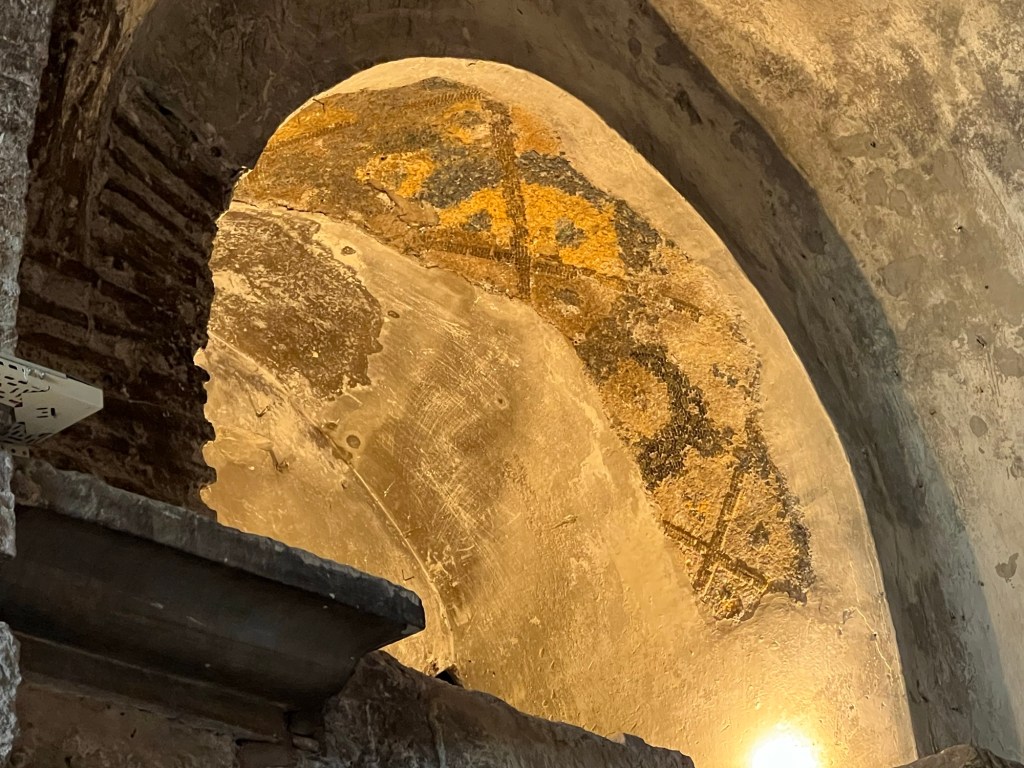
You can see the old frescoes
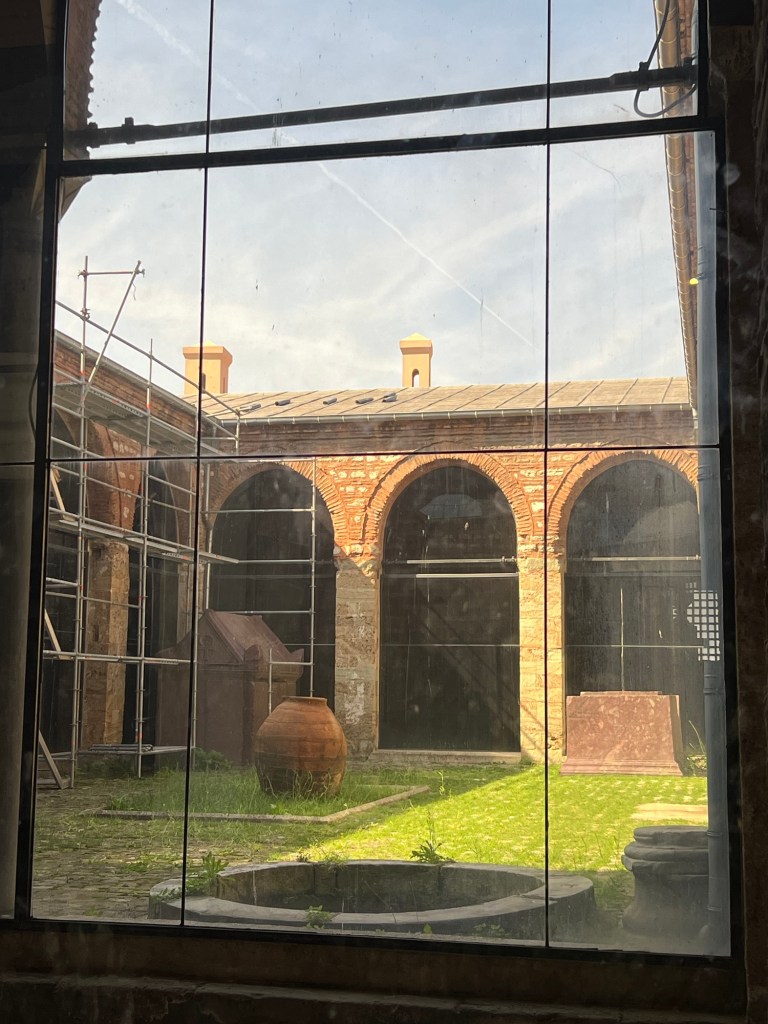
And the outside baptismal font.
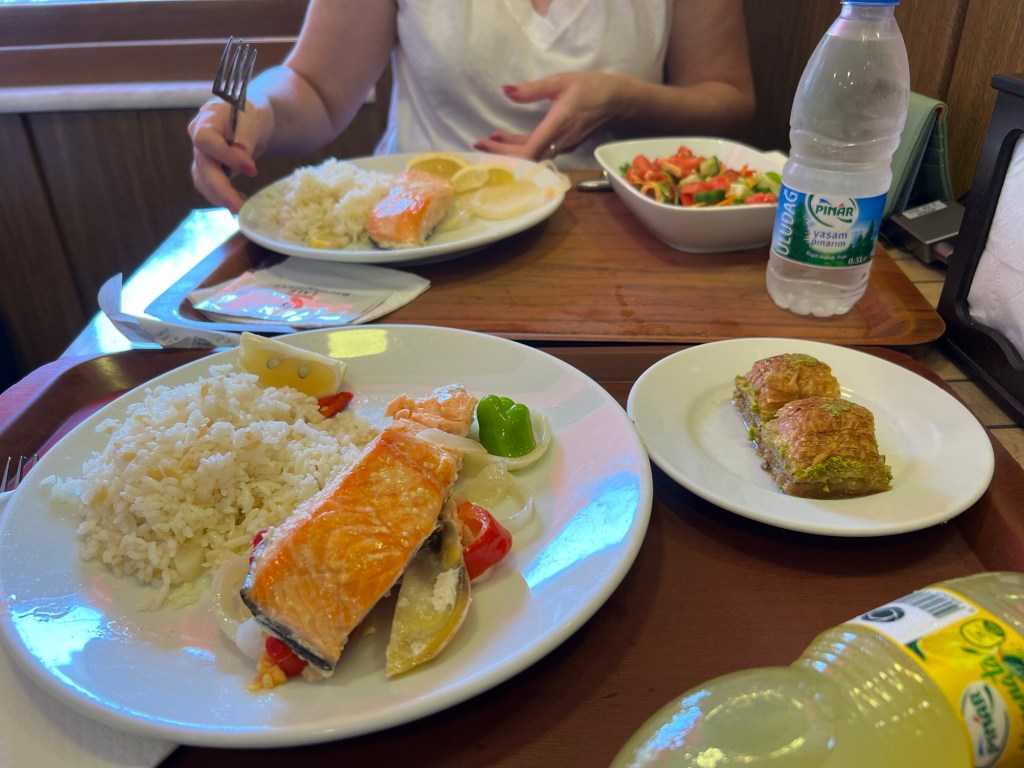
Next was lunch time. I had a delicious salmon lunch with rice, lemonade, and baklava.
The afternoon was spent at the Grand Bazaar.
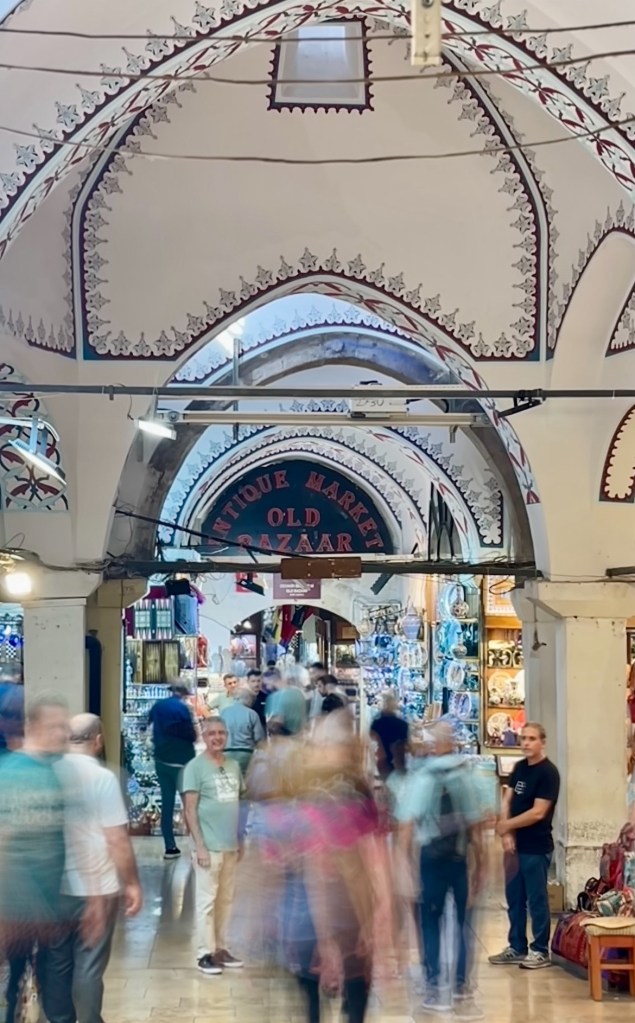
This shopping area is one of the oldest covered markets in the world from 1461.
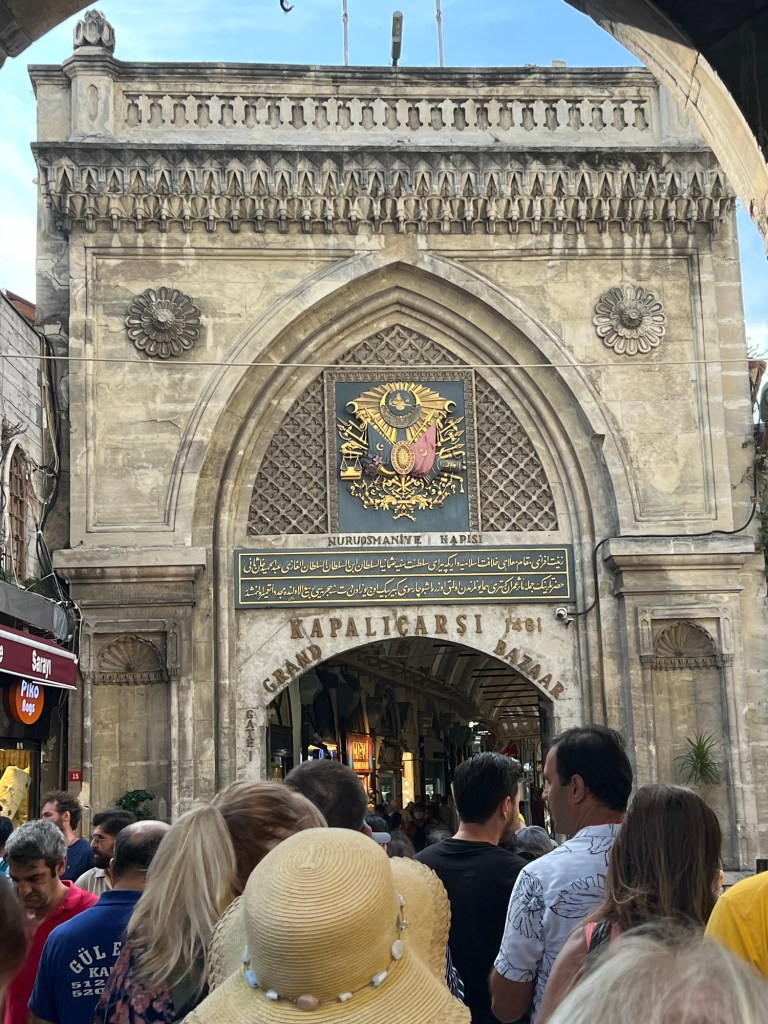
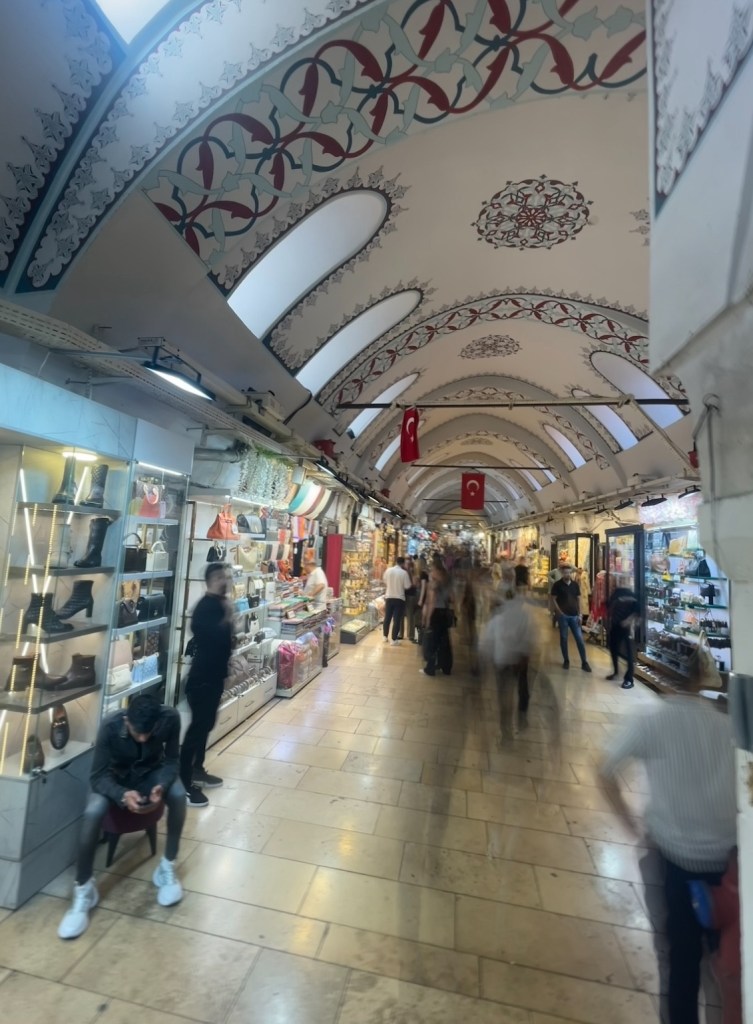
There are over 5,000 shops here. No, I didn’t go to everyone of them. It’s like a maze in there and easy to get lost.
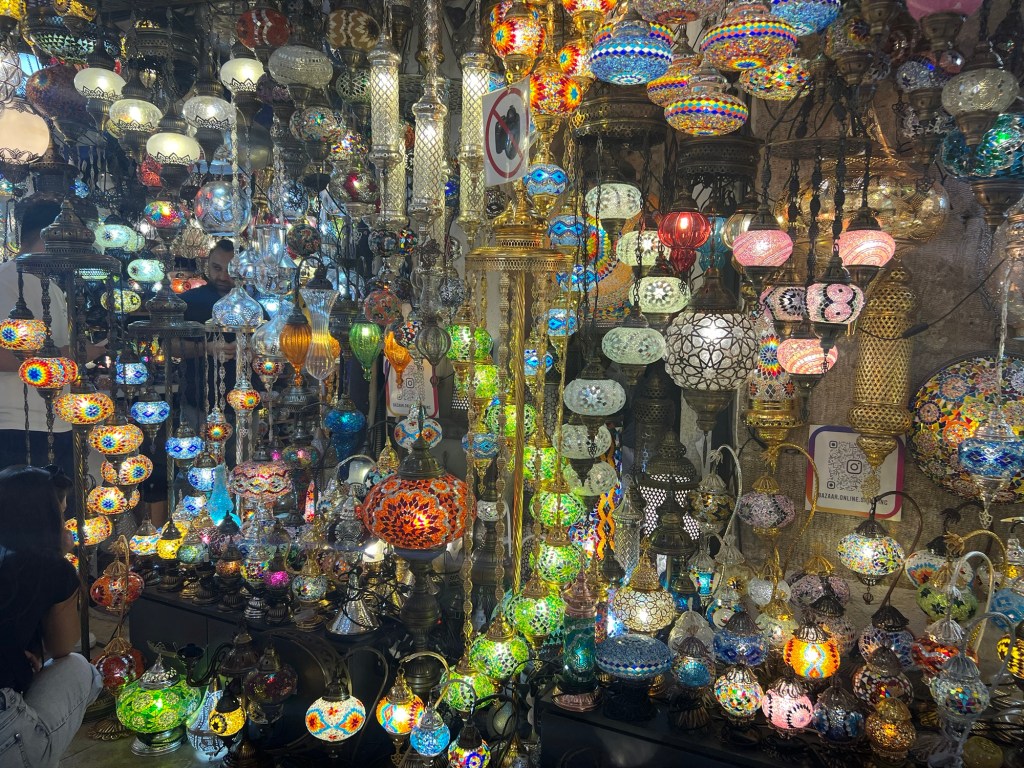
I wish I could have gotten one of these lights but I didn’t have enough room in the suitcase. They were gorgeous.
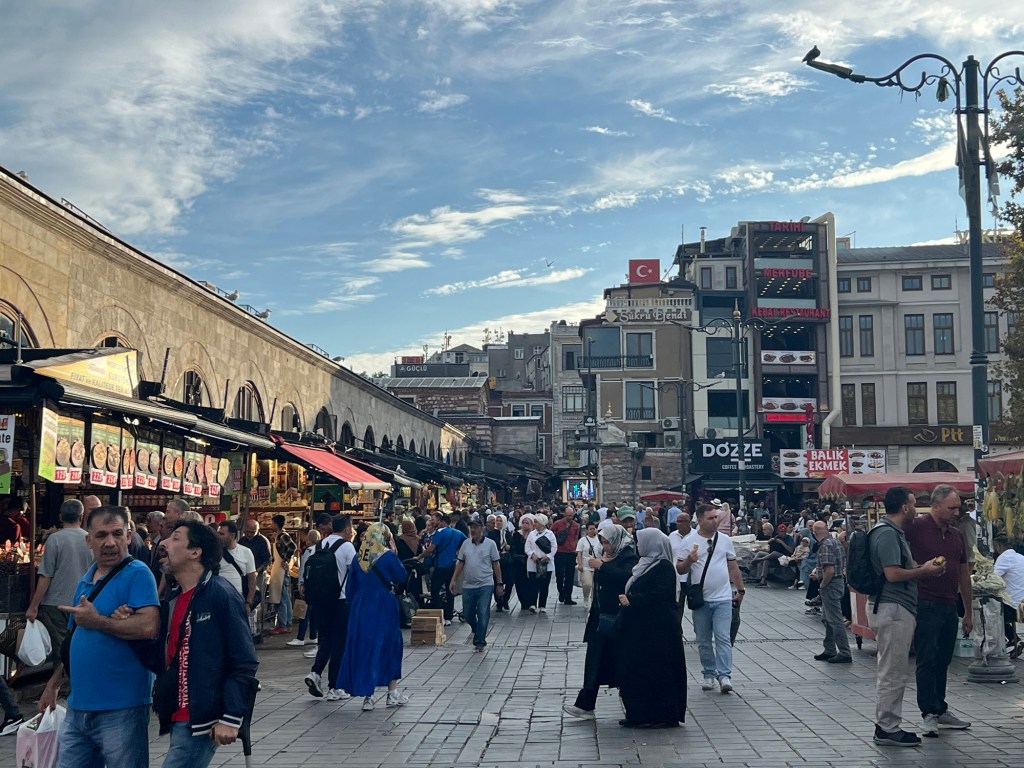
Outside you can catch a glimpse of some of the 80 million people who live in this city and what the main square near the port was like.
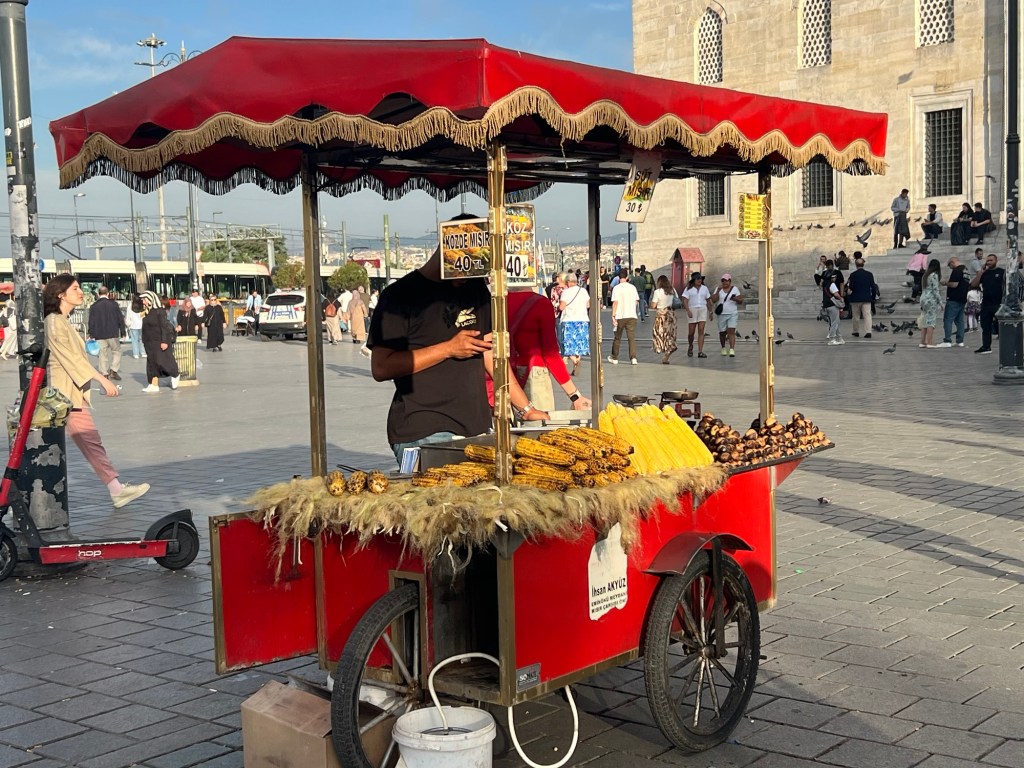
Roasted chestnuts and boiled and roasted corn are everywhere.
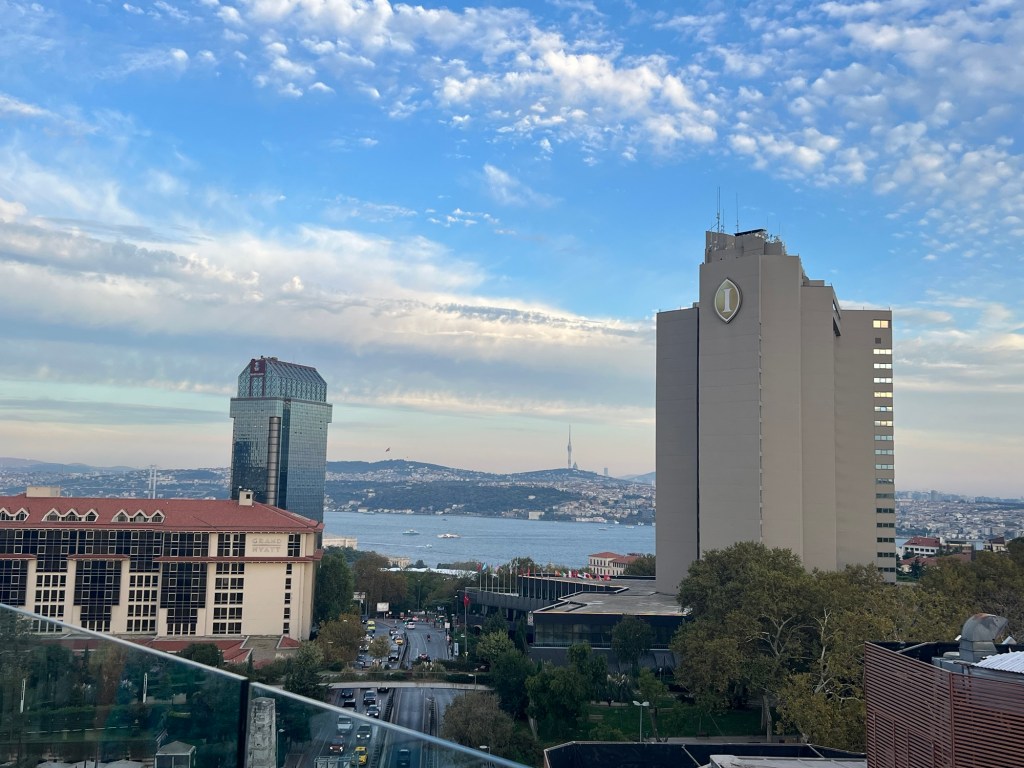
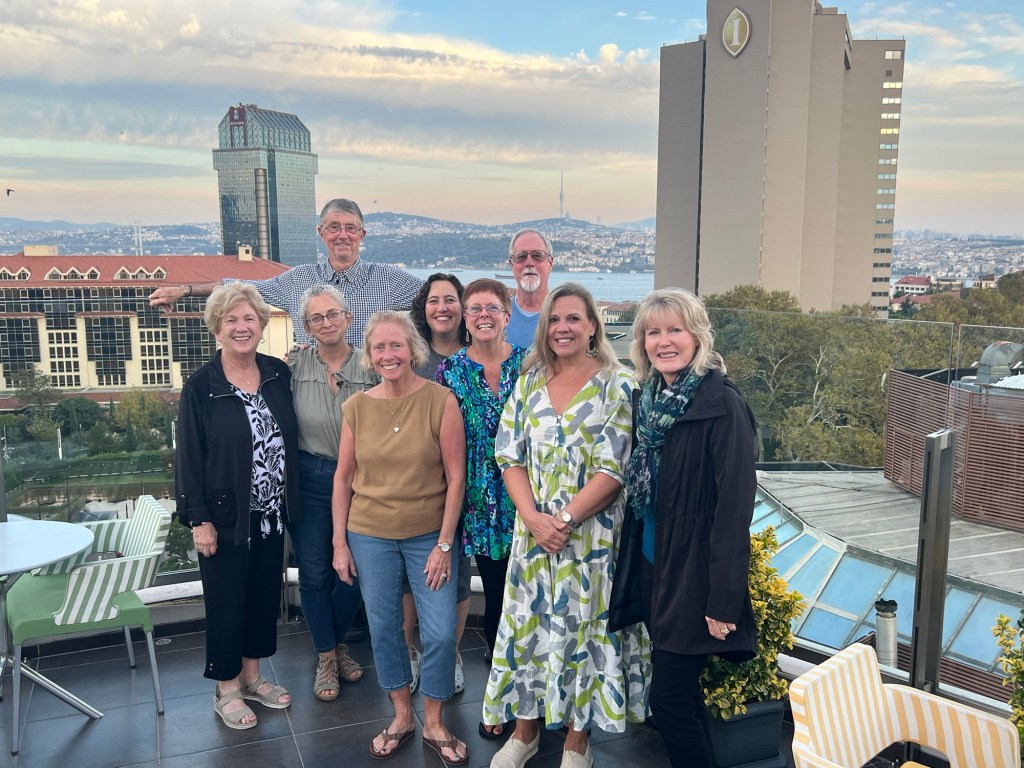
We headed back to the hotel for our 9th floor dining experience which overlooks the Bosphorus River.
We couldn’t resist another group picture with the river as the backdrop.
Since our wake up call is 4:00 am tomorrow, we all went to bed early hoping to get some decent sleep before our long day tomorrow.


Leave a Reply