Pergamum and Alexander Troas
Sunday, October 13, 2024
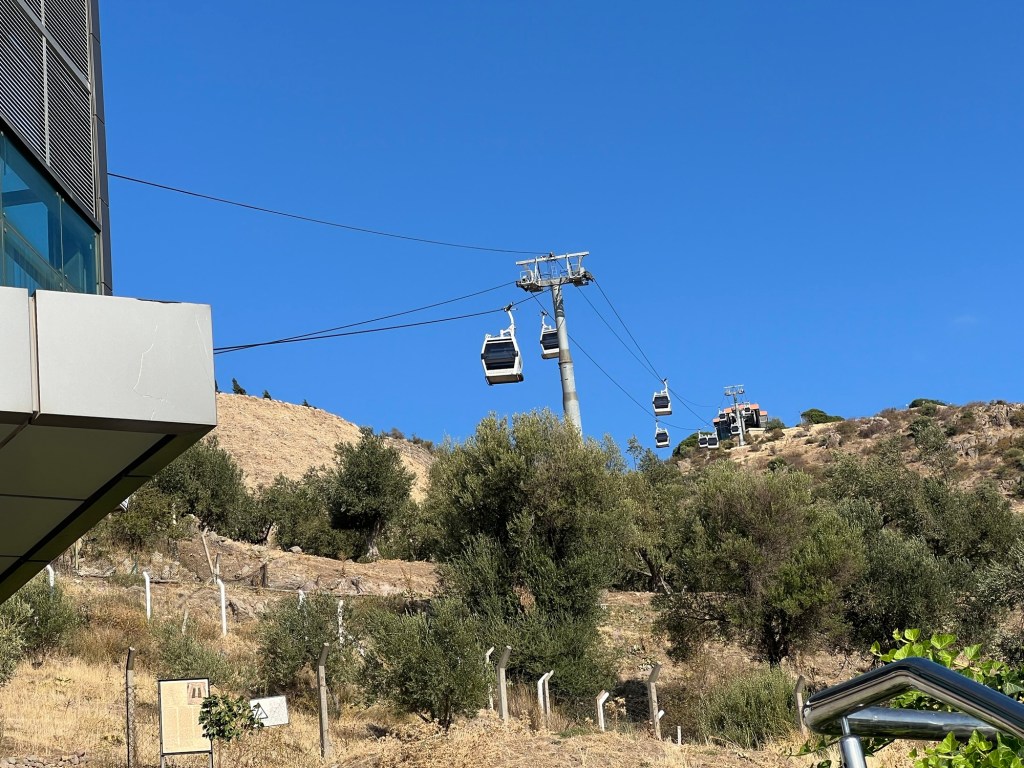
In order to get to Pergamum, or Bergama as it is now known, a cable car ride is necessary. Buses used to drive up this hill but the roads are narrow and it was dangerous so the cable car was built.
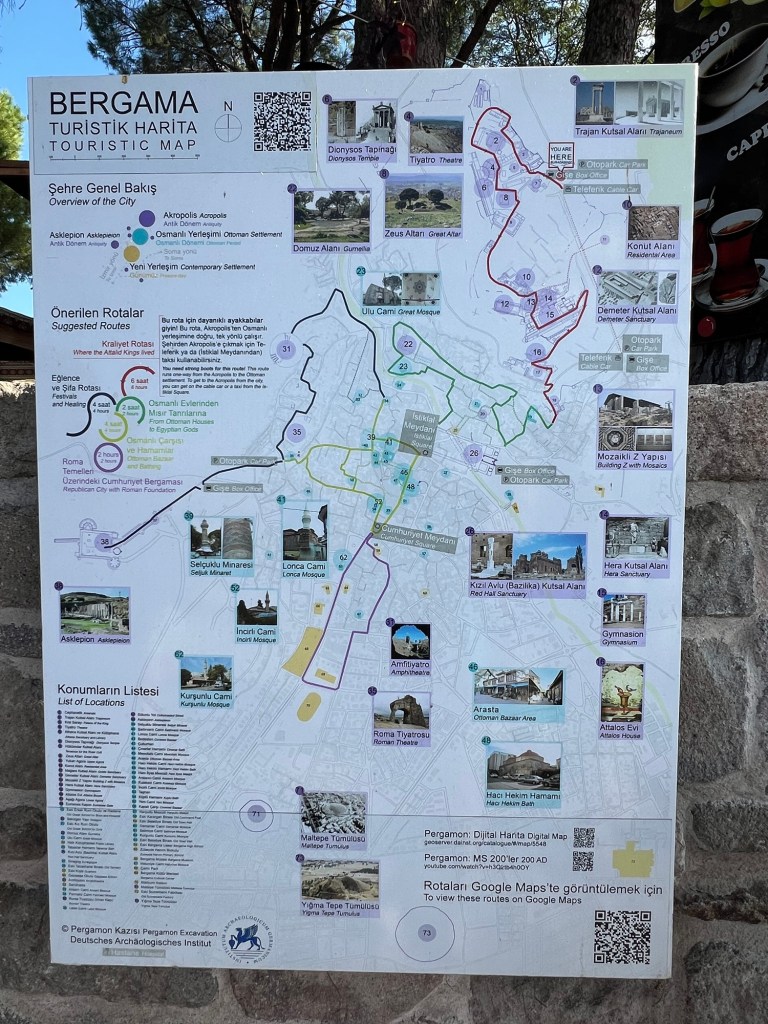
Bergama is a HUGE complex. We only saw a little portion of it, actually only the first 9 sites on the top right of this map.
Even the ancient Pergamum Acropolis (using the English spelling) was large. Perhaps that’s why it was one of the seven churches mentioned in Revelation 2:12-17.

The view is beautiful and, of course, very easy to defend.

Because the city of Alexandria hoarded the region’s papyrus to ensure that their library was the largest in the world, the city of Pergamum developed a unique writing material: parchment made of animal skin. This allowed them to establish their own renowned library from which their city name came from. The outline of the many buildings, shops, and houses can still be seen.
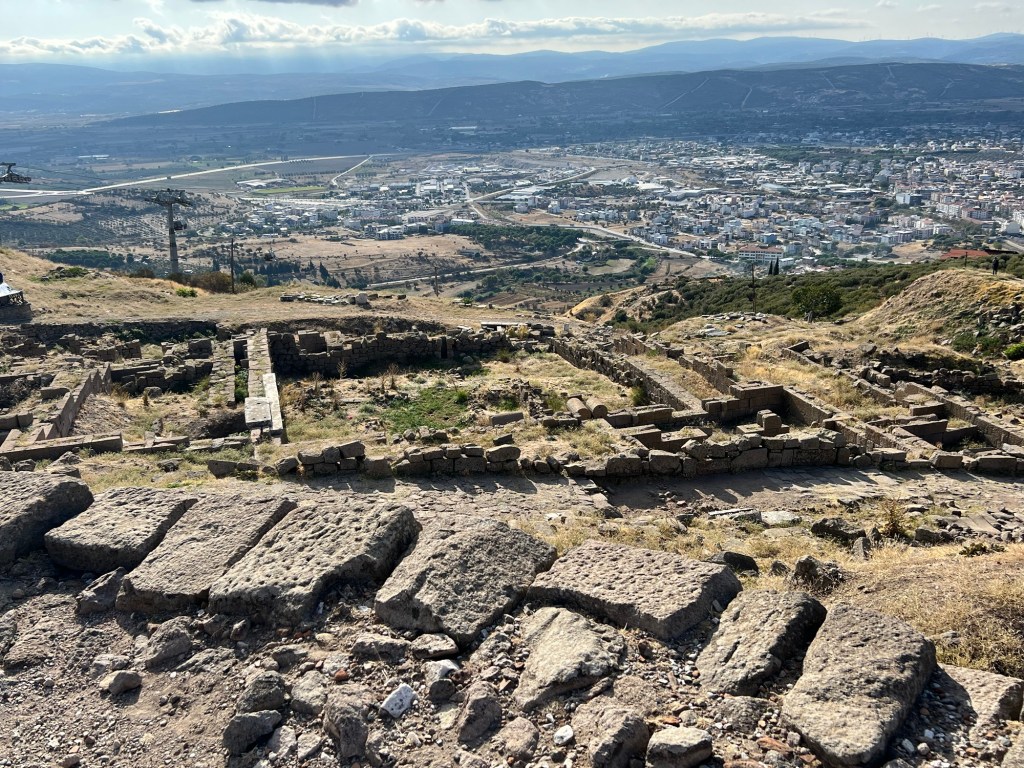
Every city had a main walkway lines with columns. It is easy for archaeologists to identify and reconstruct where these main paths were.

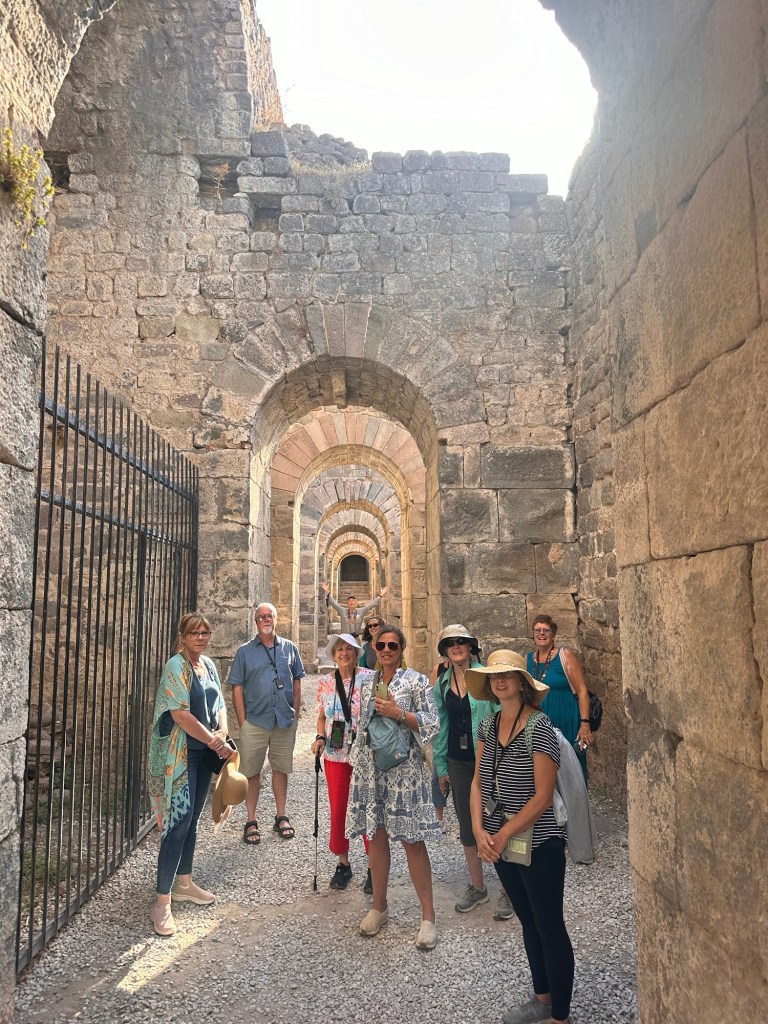
The huge temple on the top was fortified with a large foundation that included these arches to provide more support. On top you can see a column from the temple.

We had the chance to walk through some of these arches and literally be in the basement of the ancient temple.
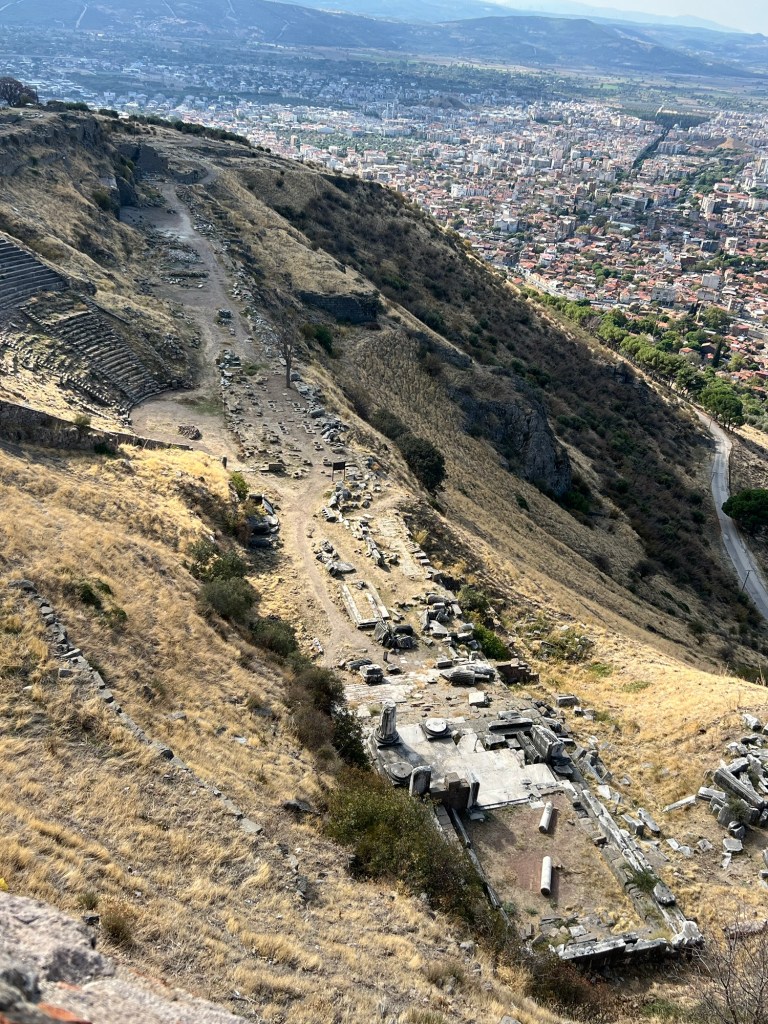
On the hillside at a 75 degree slope is the Theater of Dionysius, the god of the theater. Built in 170 BCE, the 15,000 people who could be seated in it appreciated a beautiful view.

At the base of the theater is the stage. If you look closely there are holes where the stage was anchored. Down the road at the bottom of the picture is the temple of Dionysius. Not surprisingly most temples to the god of the theater are near the theaters themselves.
The Sanctuary of Trajan, as the temple was called, has the most columns standing. This is a picture of what it used to look like.
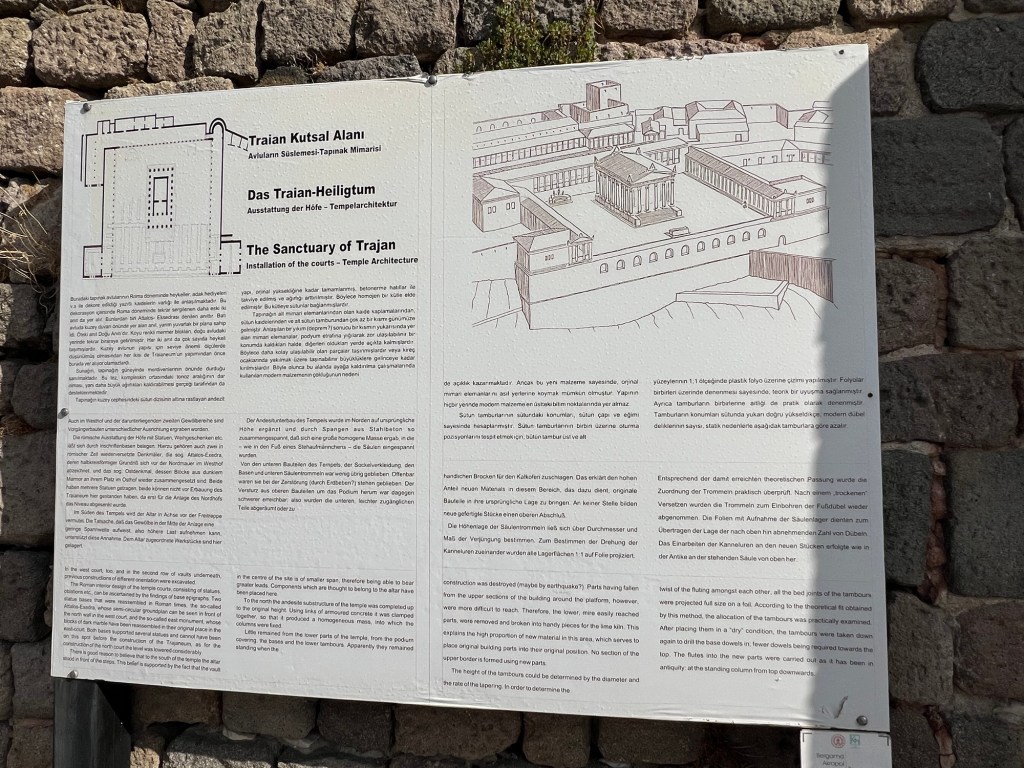
Here is what is left.
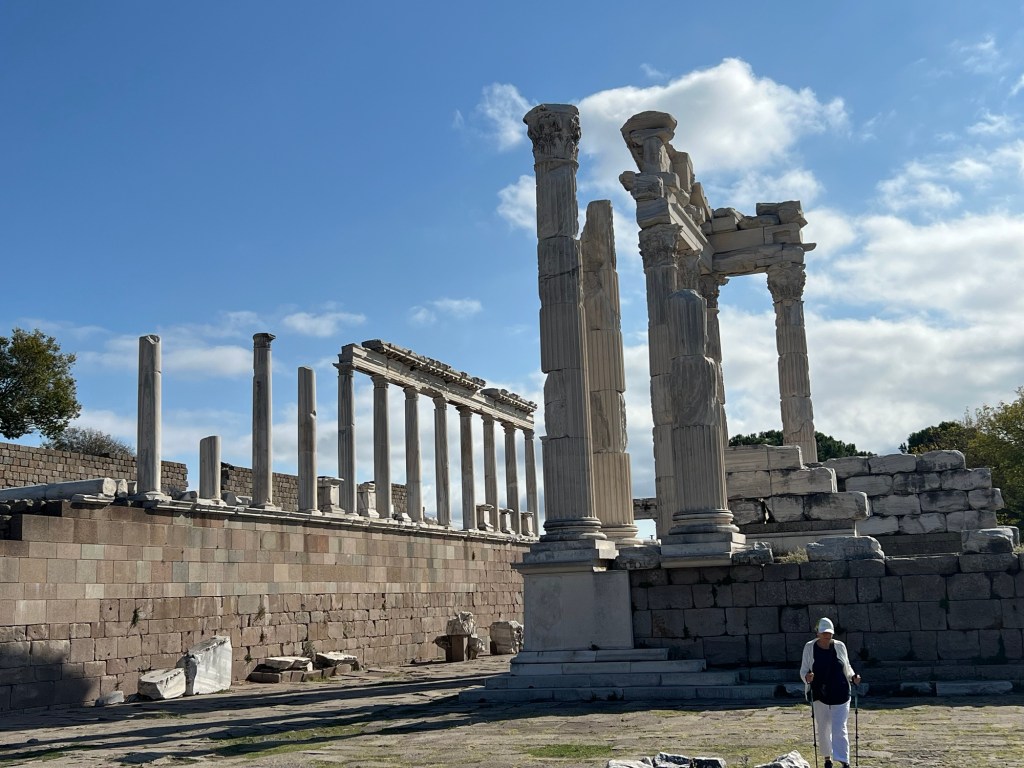
Every day we stopped in these amazing sites to pray and read the scripture that relates to them. This is Rev. Catherine Hart-Monroe in the heart of this pagan temple reading Revelation 2:12-17, a warning to the Christians in Pergamum from the Apostle John’s vision at Patmos.
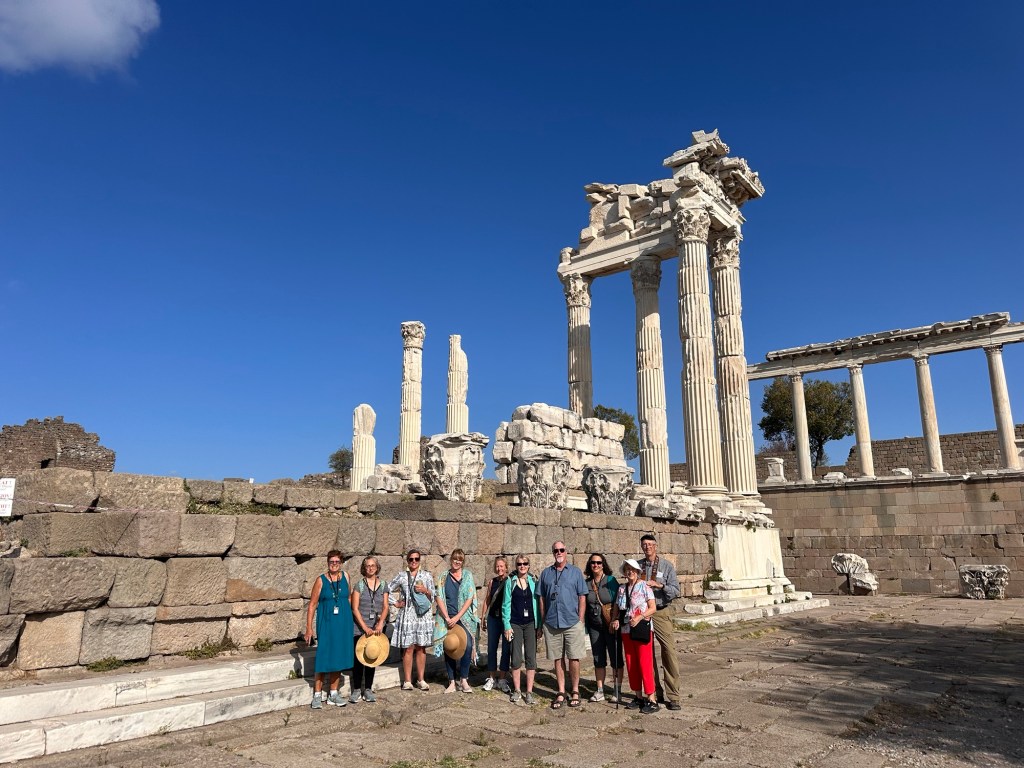
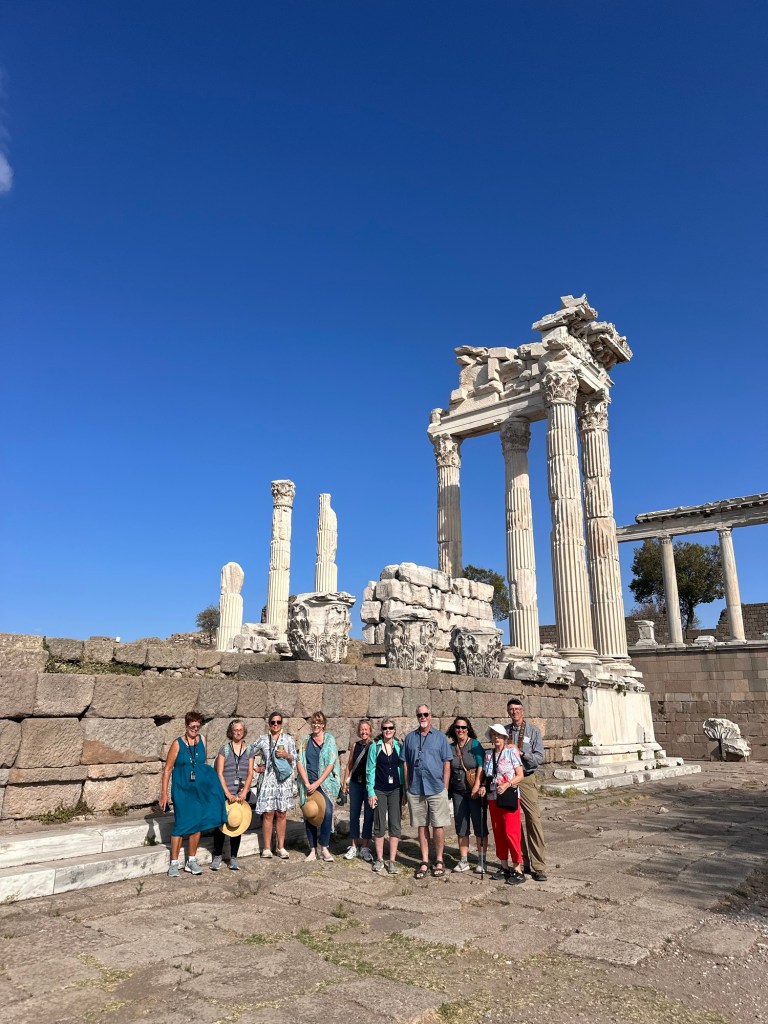
This was the perfect place for a group picture.
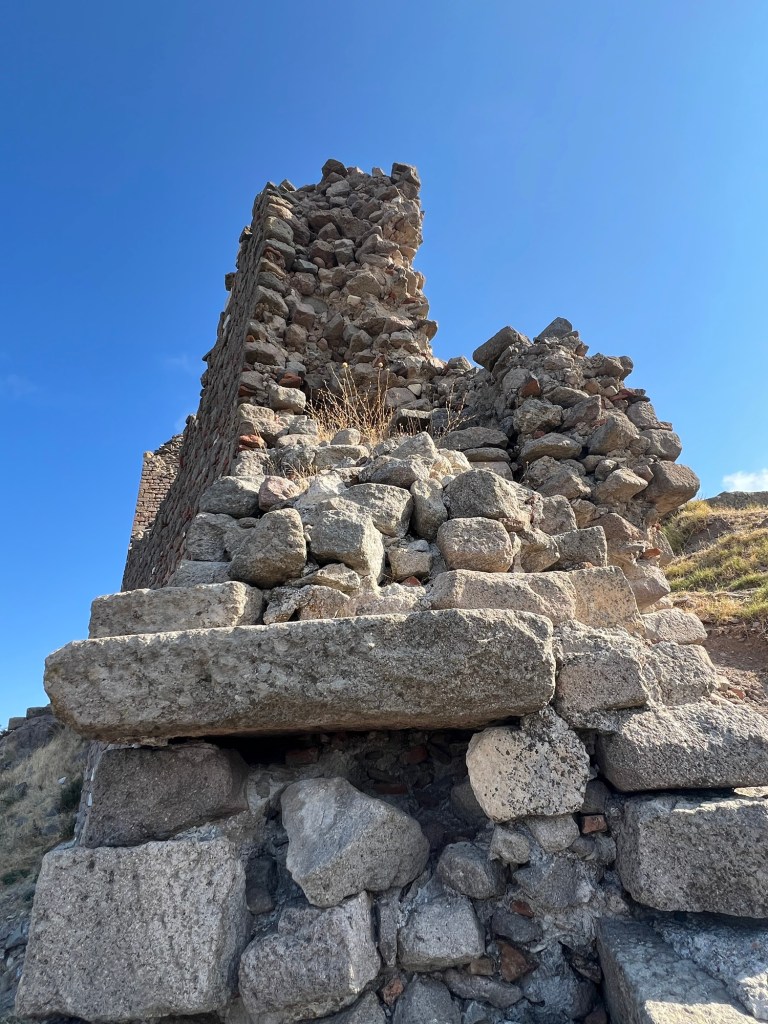
The walls around the city were very thick.
The surrounding valley was stunning.
Our second stop was Alexander Troas. This was the city that Paul stayed for a week in Acts 20:5-12.
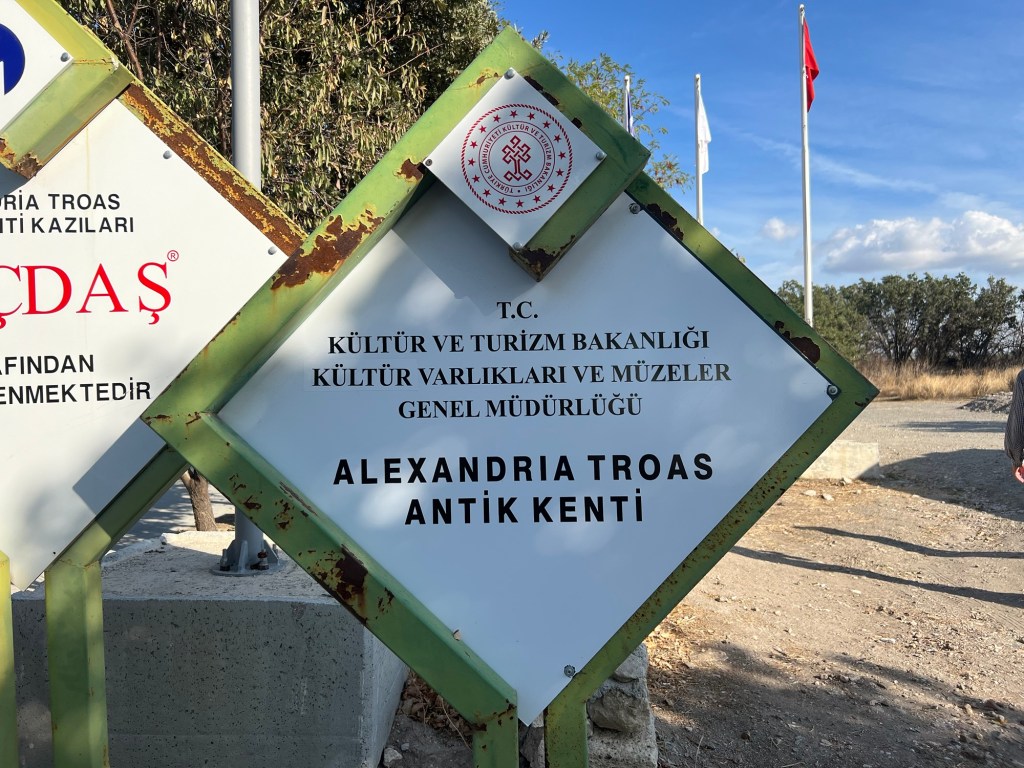
This is ancient site not open to the public yet but we were able to catch a glimpse of it as it is currently being excavated. It’s was fascinating to see a site being uncovered little by little.

Just outside the gated area archaeologists are also working on uncovering this.
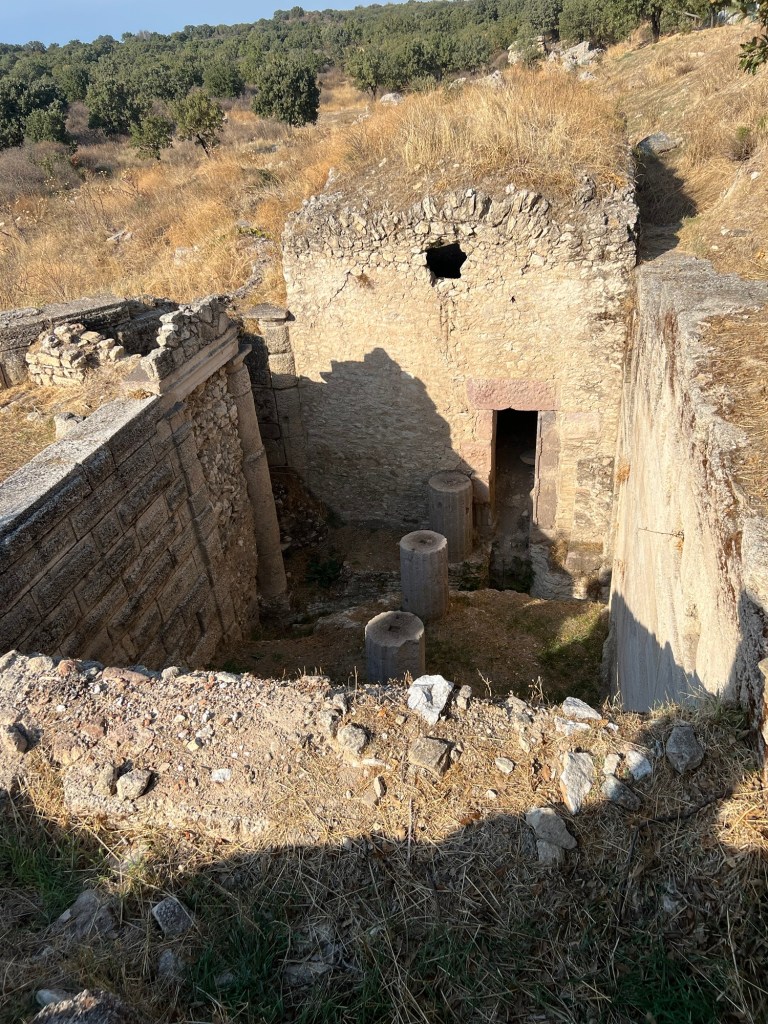
The things that have been uncovered are beautiful.
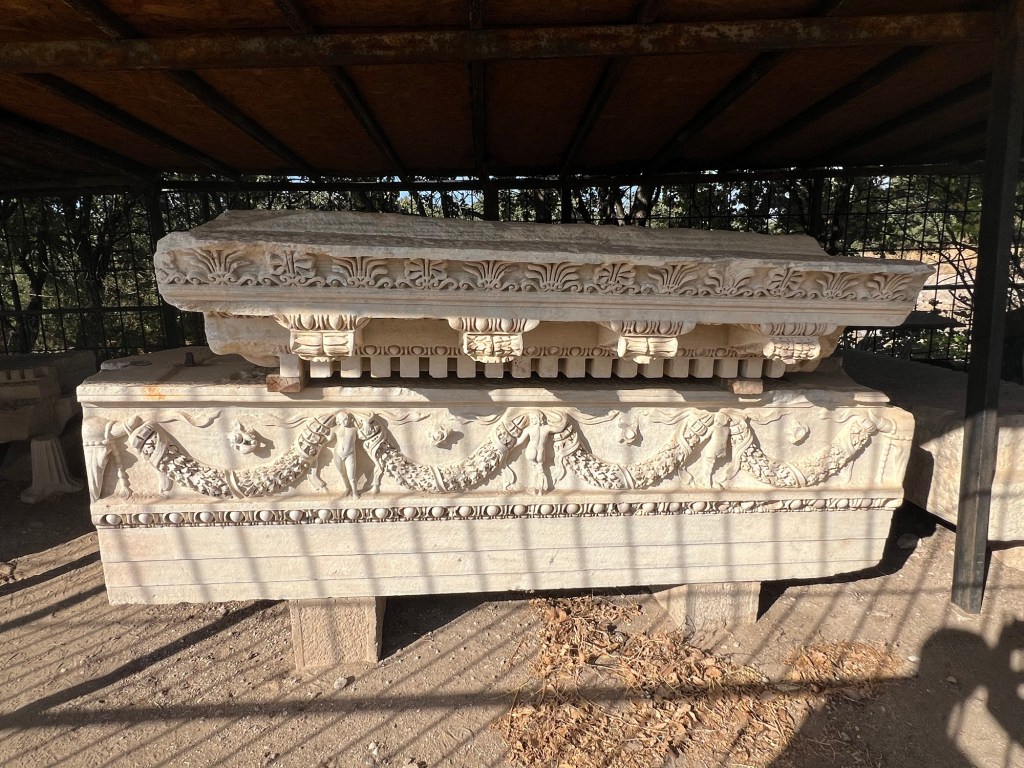
The detail is exquisite.

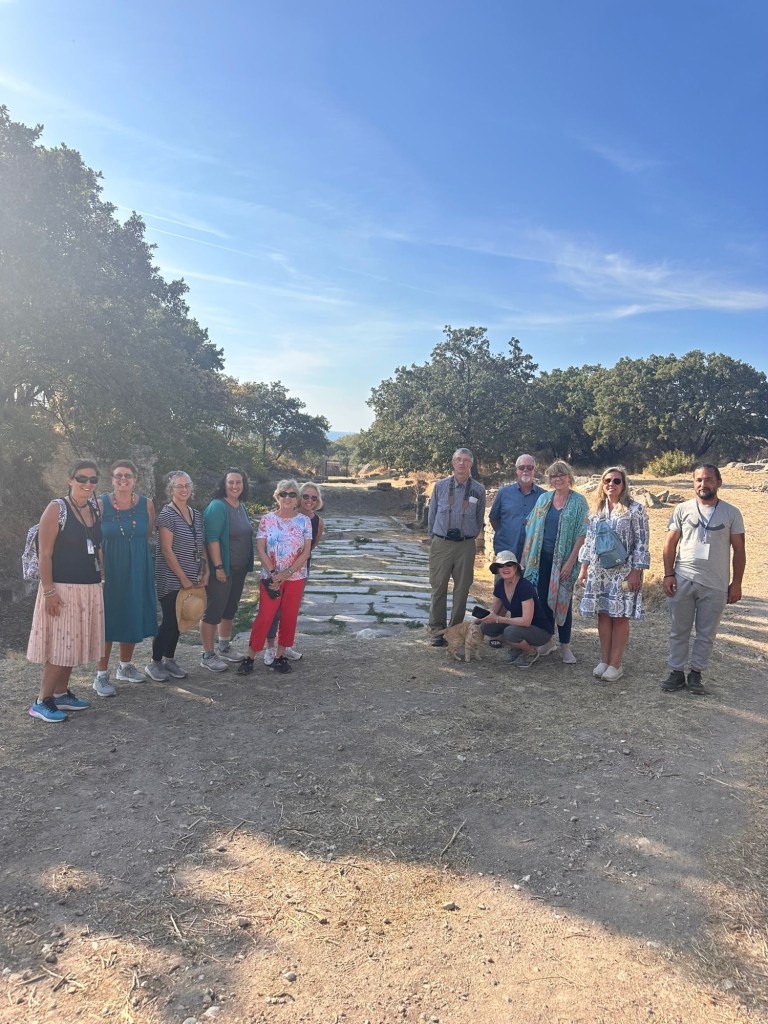
What was really cool was the road that went from the ancient city to the harbor. Acts 16:6-10 describes the first time Paul was in Troas. Paul absolutely walked down the path following the vision of a Macedonian man pleading for help.

This was another must group picture as we literally walked in the footsteps of Paul.
Troas was a seaport town where Paul sailed from to go to Europe. So we had to head for the ancient port.

It may not look like a port today because over the centuries it has been filled in a little.

The water is a little reddish due to the minerals in it.
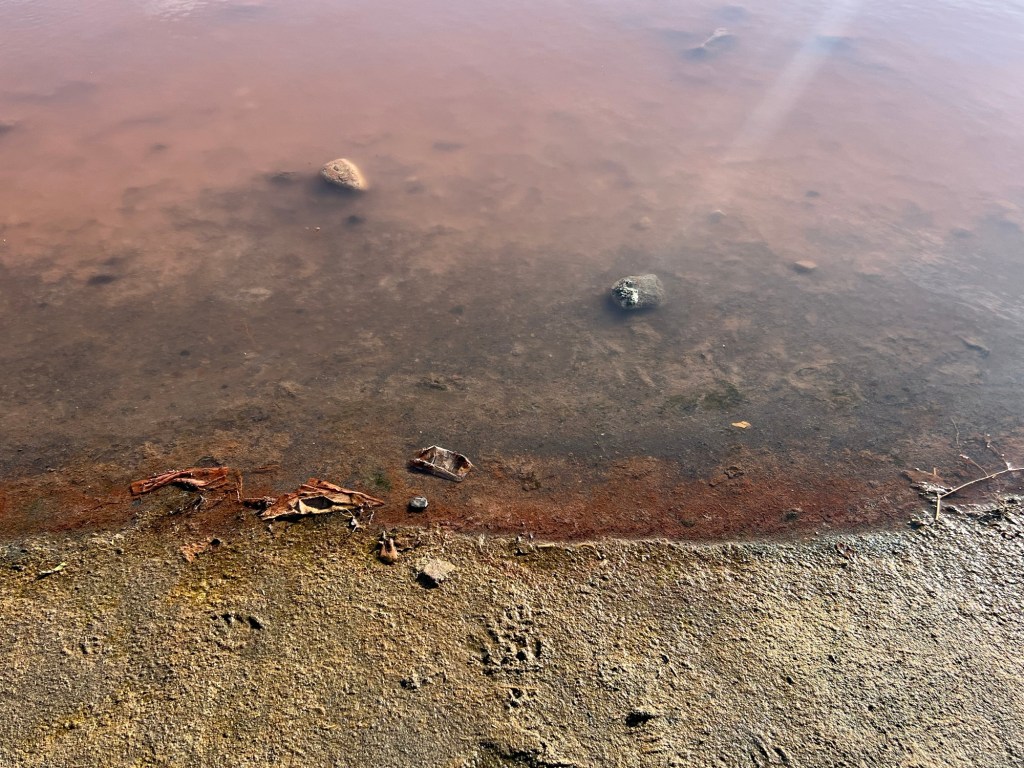
Ruins can be found everywhere.
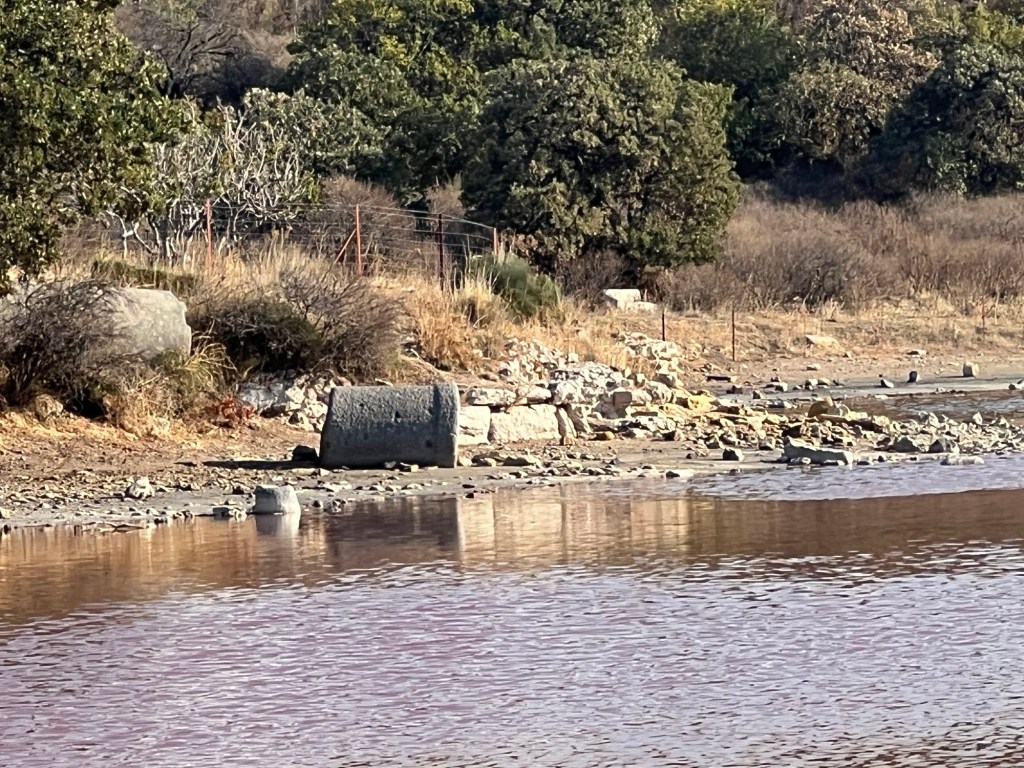
It’s amazing to think this is the exact place Paul set sail to go to where God was sending him not knowing where that was, what he would find, or who he would talk to. Now that’s faith!
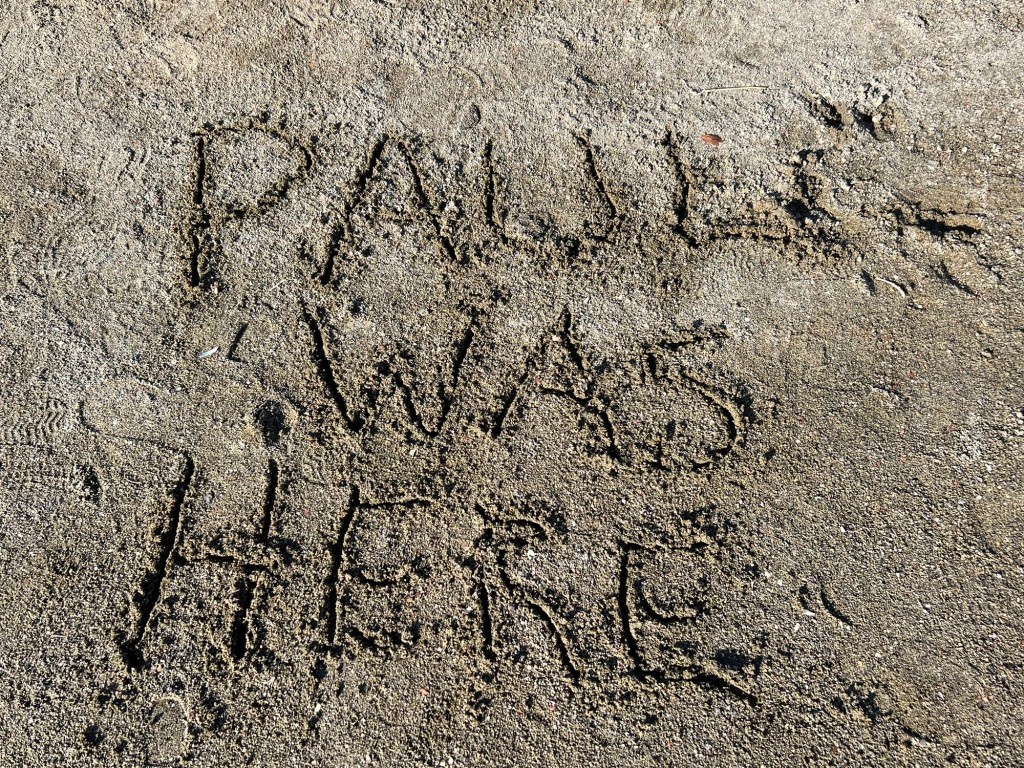
Of course, another group picture was in order.

We also went to the modern port today which hasn’t forgotten where it came from.

That’s the Aegean Sea where Paul sailed off on to go to Europe.

We ended the day at our hotel in Canakkale.
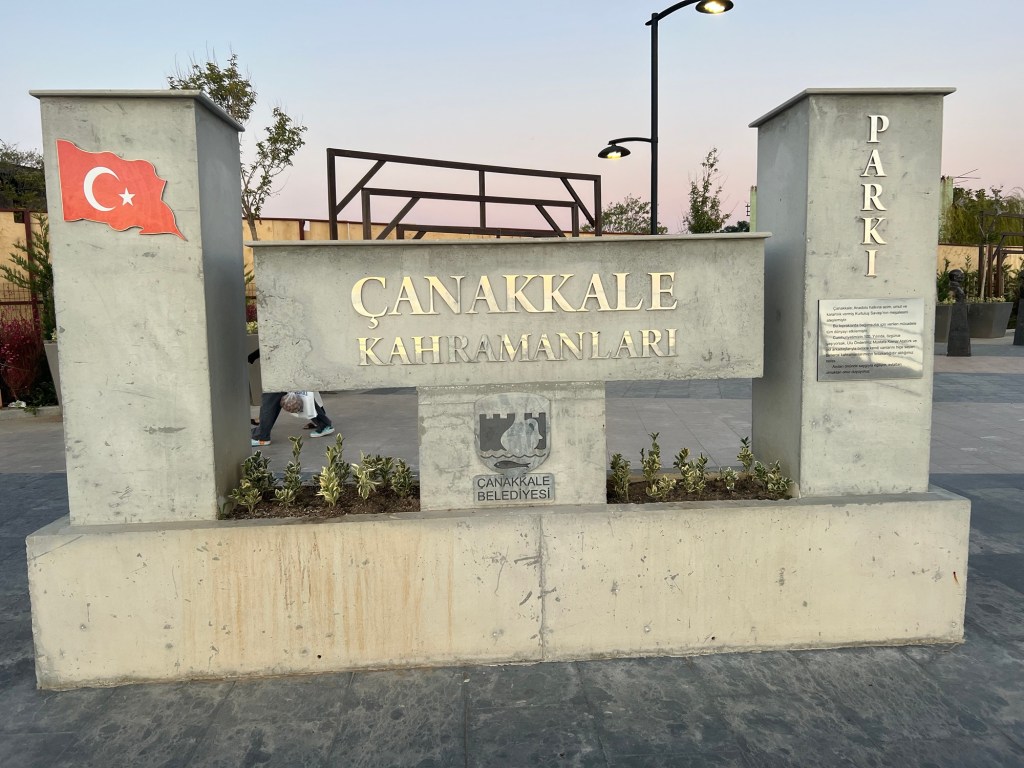
Betsy got a hug from one of the locals.

I also was swept up in his arms.

It was a beautiful end to a wonderful day as, like Paul, we got ready to say goodbye to Turkey and make our way tomorrow to Greece.

 The PCUSA Pilgrim Pastor
Leave a comment