June 13, 2024

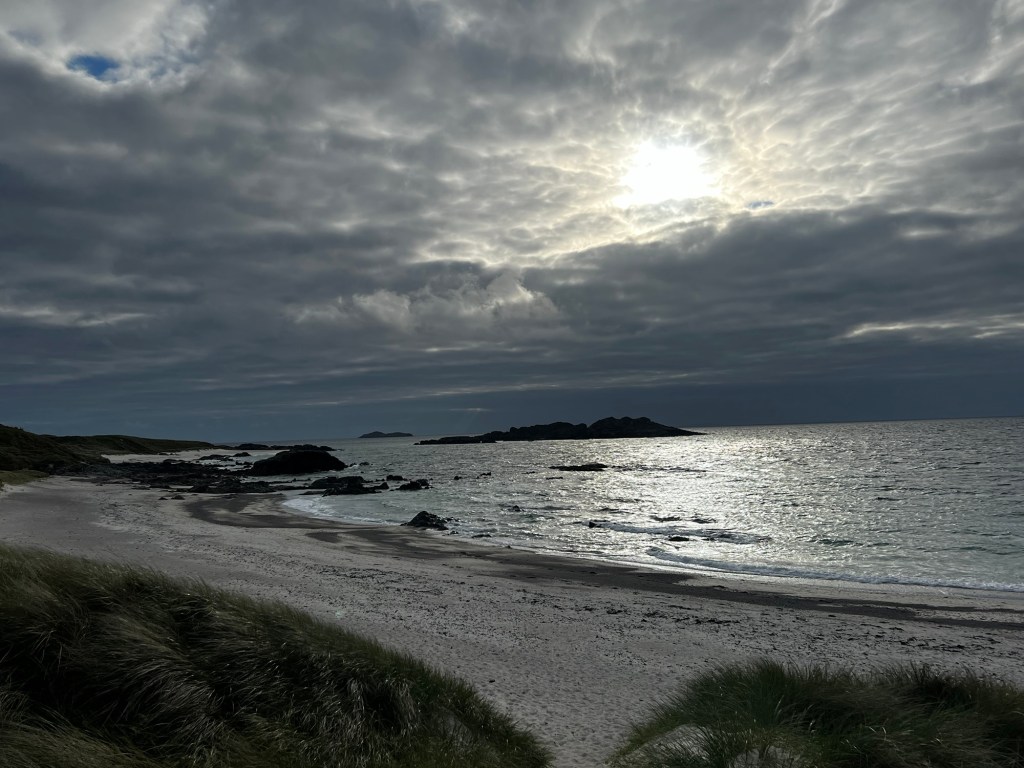
The story of Iona, as we know it from a pilgrim perspective, begins with Columba. Of course the island itself, which spans 3 mile by 1 mile, existed long before that. Fun fact: Do you know why there are no fossils on Iona? Because the island, or at least some parts of it, are 2.6 billion years old. It’s actually too old to have fossils! Back to Columba. He was an Irish monk who set sail seeking an island to start his monastery. Tradition holds that he landed here at Columba’s Bay at the southern tip of the island and went up to the highest hill. Since he could not see Ireland anymore, he decided this was a good place to stay.
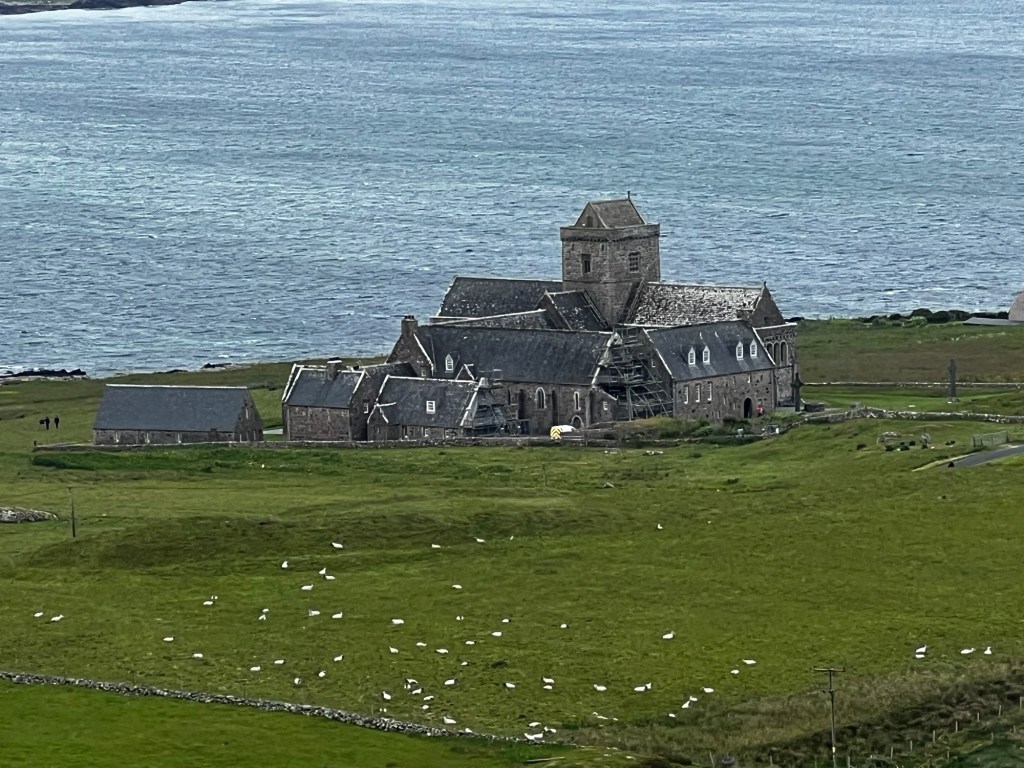
Columba came in 563 with 12 of his followers (sound familiar?). Iona would have been an attractive place since it was on the ocean highway with easy access to Ireland, Scotland, and neighboring islands. He set up his Abbey in the fertile area of the northeastern side of the island. Here he led both the monks and visiting pilgrims in worship and prayer. The next post will focus more on this Abbey which is where I stayed for a week.

At Columba’s Bay you can find Iona Marble. It’s white with small green dots on it with the nickname “St. Columba’s Tears”. I was able to find 5 pieces. Cheap souvenirs!

After Columba’s death the monastery flourished until the next major turn of events took place: the plundering of Vikings. Think of it: the monks were pledged to non-violence and were the keepers of precious metals and jewels as part of their religious rituals. They were easy pickings for the Vikings. The raids started in 795 and when word got out how easy it was to kill and take what these monks owned, more raids continued in 802. 806, and 825. The monks shipped off relics such as Columba’s bones held in a jeweled chest to a safe location off the island. When the Vikings returned to get the chest, the monks would not reveal where it was. As a result, 68 of them were dragged to a bay and slaughtered. This is Martyr’s Bay where that took place.
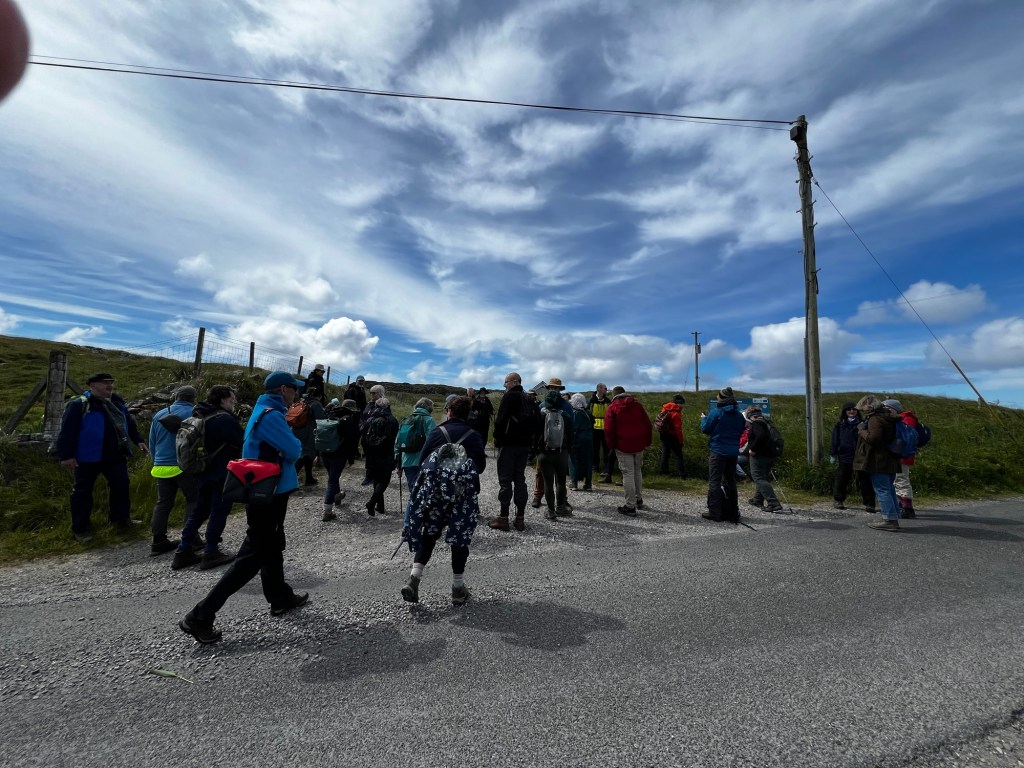
Both during this time and afterward, Iona became a place of pilgrimage. First it was to see St. Columba himself and then later the Abbey. Pilgrims, like myself, were warmly welcomed on Iona. There is only one cross roads on the island which is here.
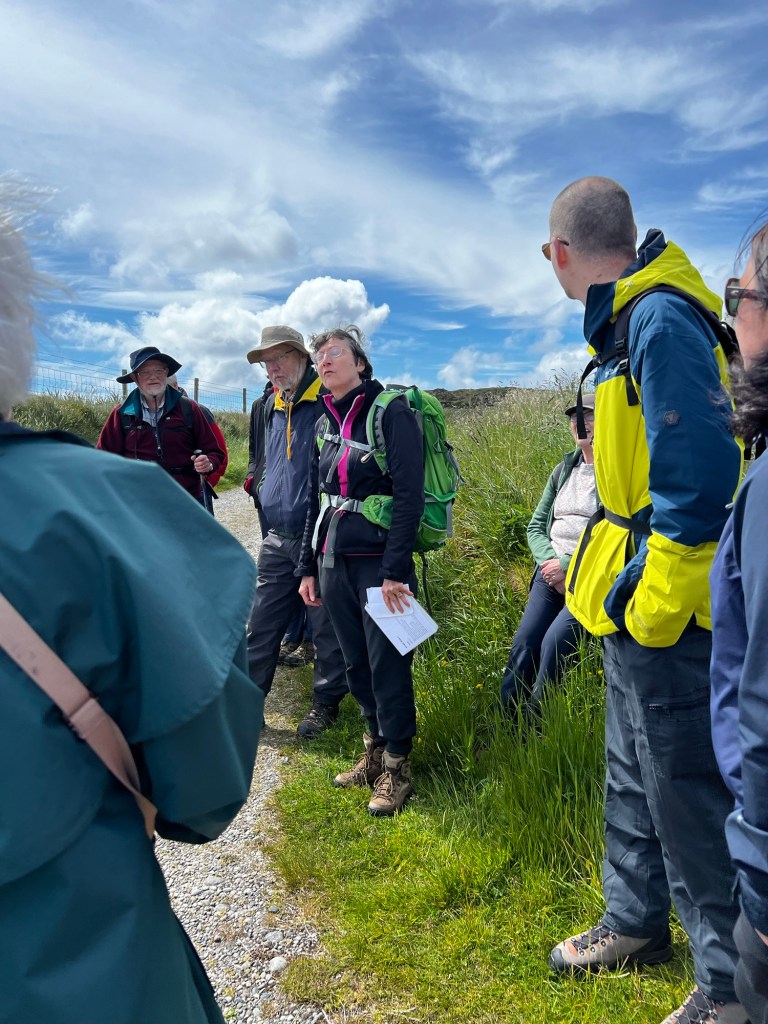
On a wonderful “off road pilgrimage” we heard myth, folklore, facts, and history all rolled up into one to help us catch a glimpse of what the island of Iona was all about. This was our amazing guide Benedict, a wonderful french woman, who gave a enlightening tour and even managed some great weather for us (somewhat rare on this island this time of the year).

Alastair McIntosh was also one of our guides as well as a keynote speaker who had a wealth of knowledge and stories about the island among many other things. He told us the legend of the water horses (think Loch Ness monster) that rose up out of lakes.
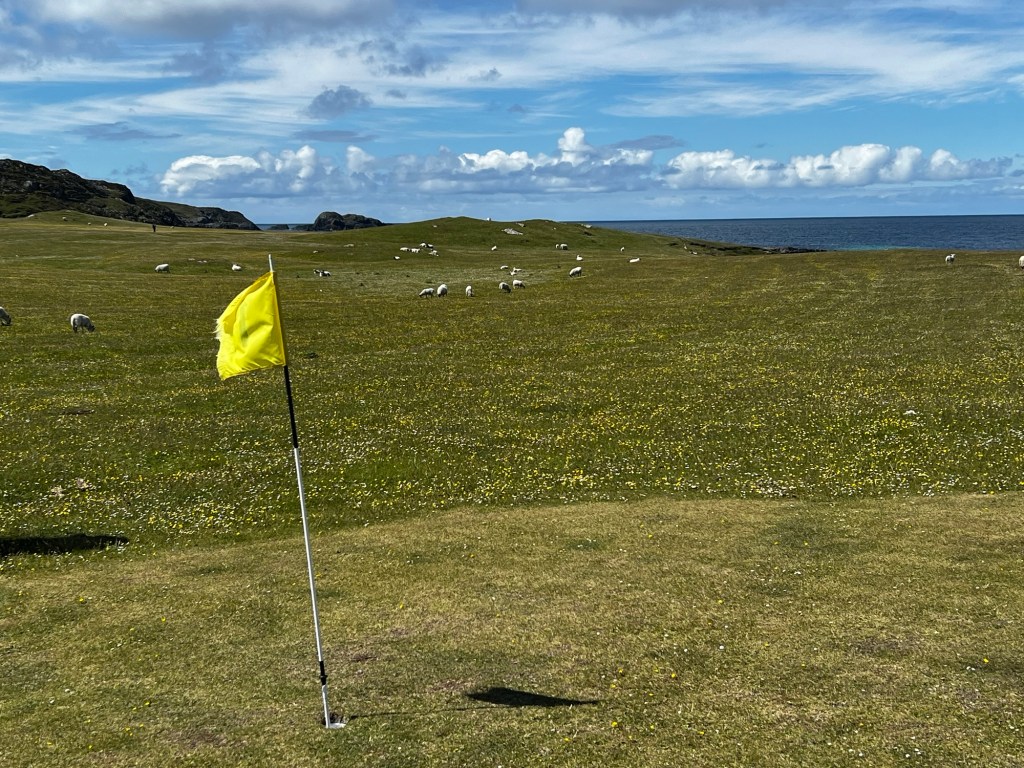
A public golf course is free for anyone to use. But beware, during storms the sand traps can move and the wind is pretty brutal on one’s game.
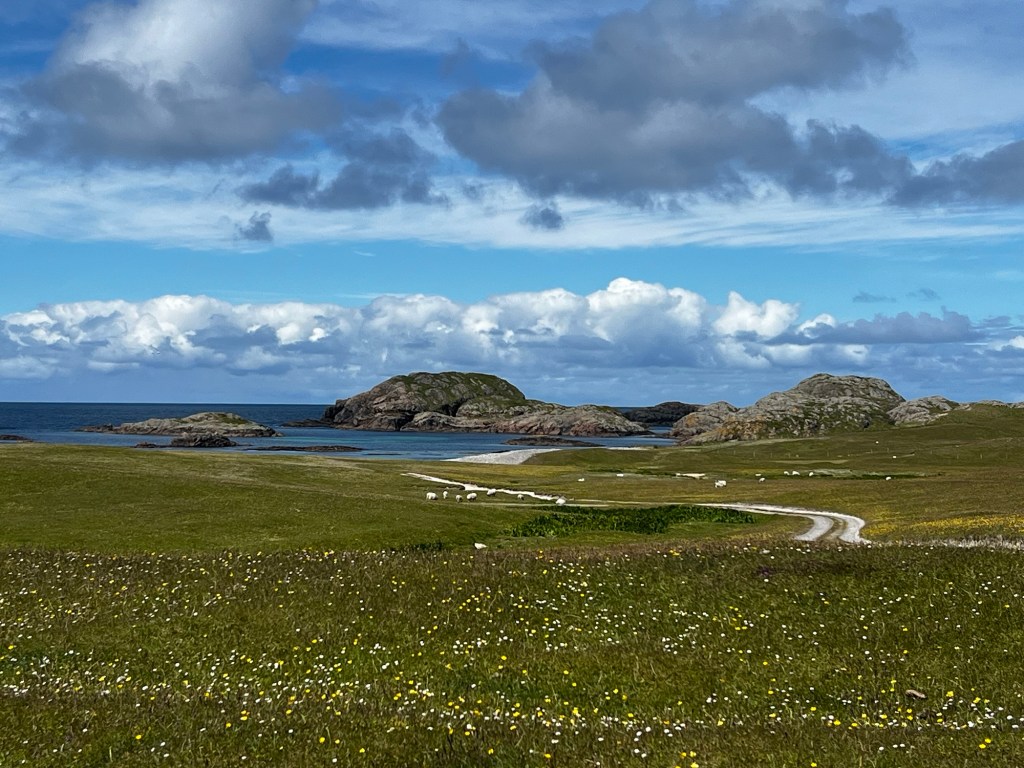
Machair is the coastland grassland area near the ocean where the golf course is located.

We traversed the various areas of the island on our walk.

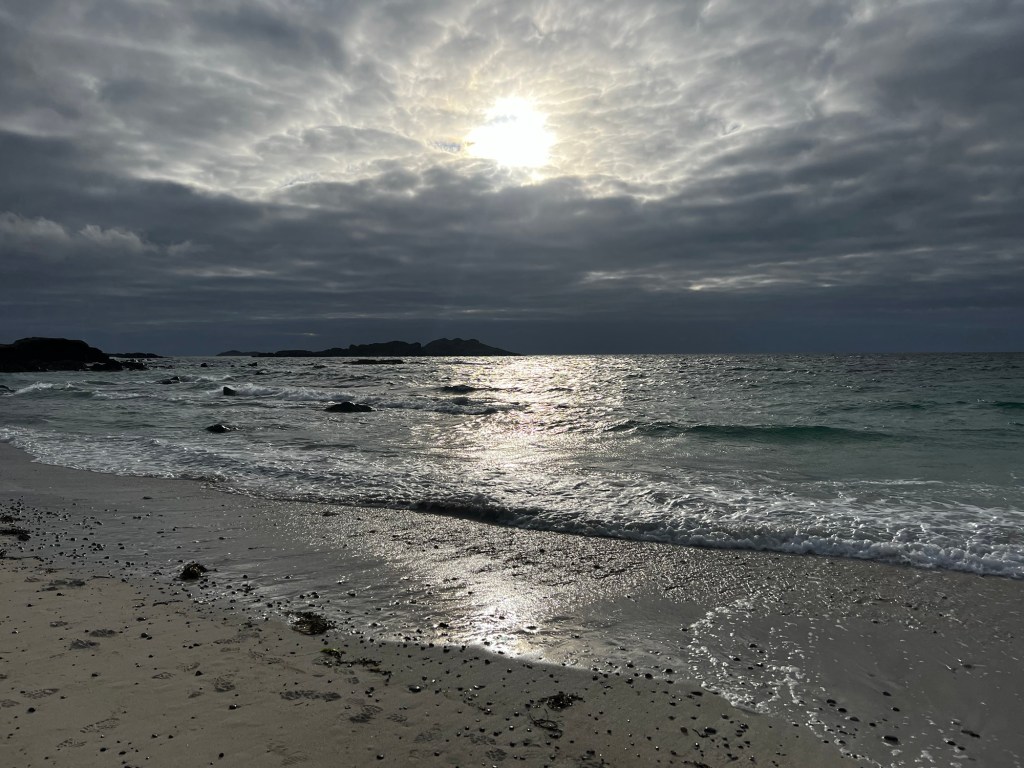
Beautiful beaches are found all around the island. I went to the north end to find this one.

Iona is an enchanting, beautiful, and serene location. I walked from the south (Columba’s Bay) to the north (North End Beach), from the west (Machair and the golf course) to the east (Iona Abbey). Here is a map of some of these places.
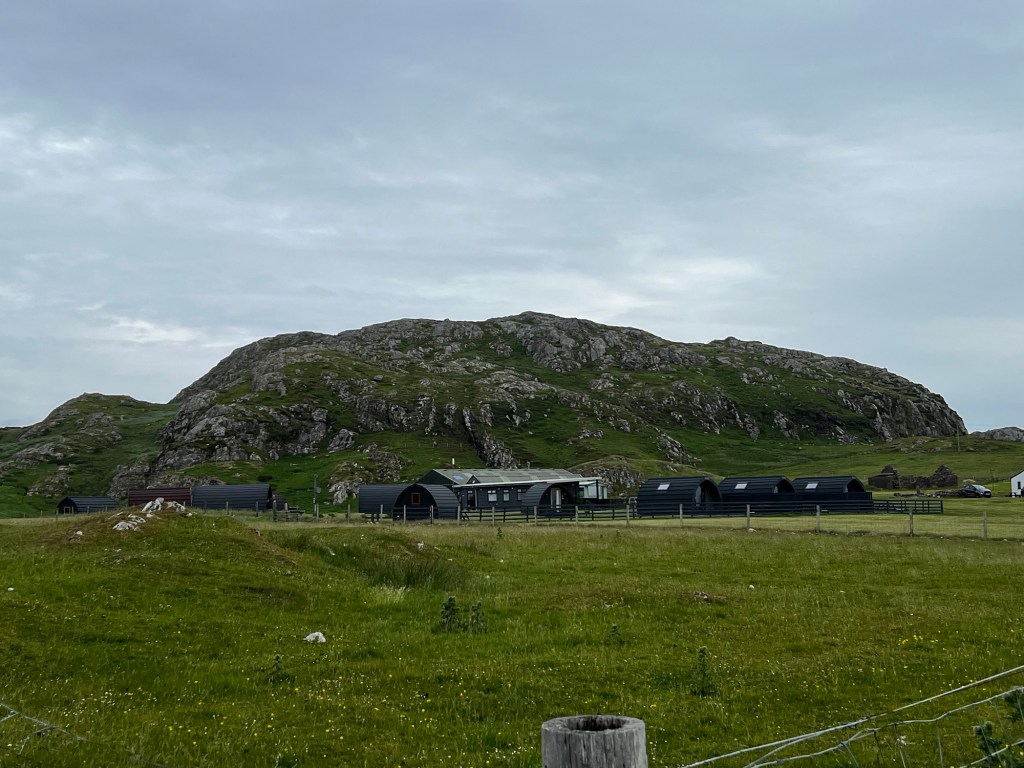
And of course I had to climb the highest peak of the island. Dun I was only a 10 minute walk from the Abbey. In Gaelic “Dun” means hill and “I” stands for Iona. It’s a whole 333 feet above sea level.
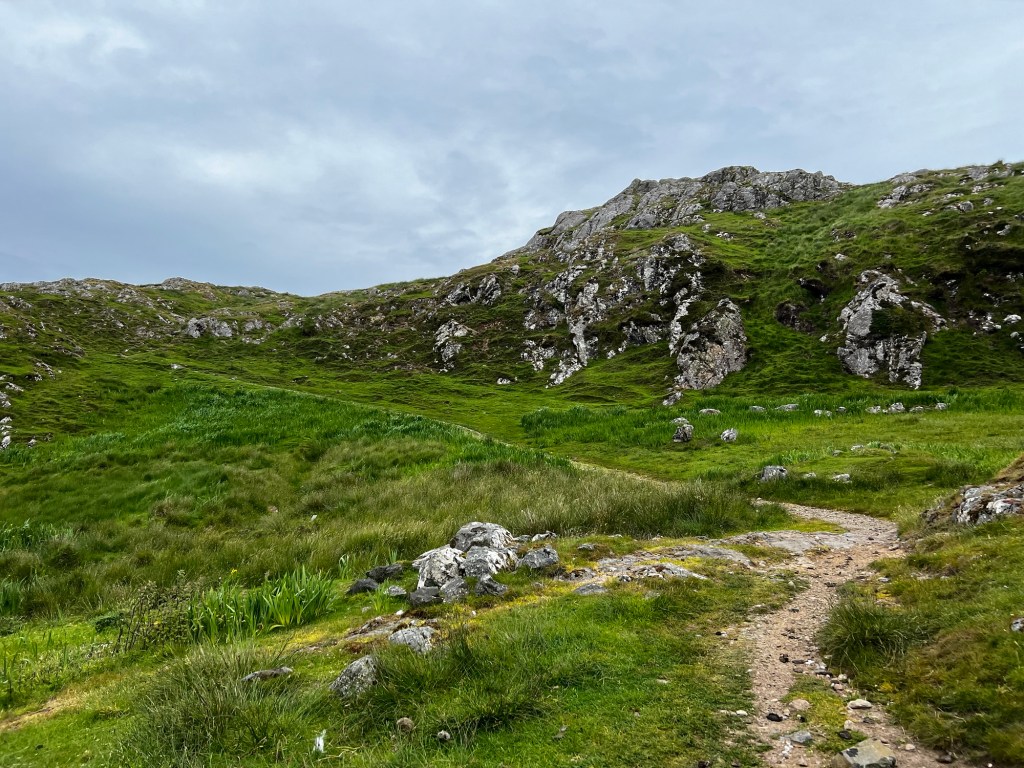
There was a path, well kind of, that led up there. Once you were half way up you just tried to follow where others had walked. All I knew is that I had to go up.

Finally, I reached the summit where it was very windy and the clouds were rolling in.
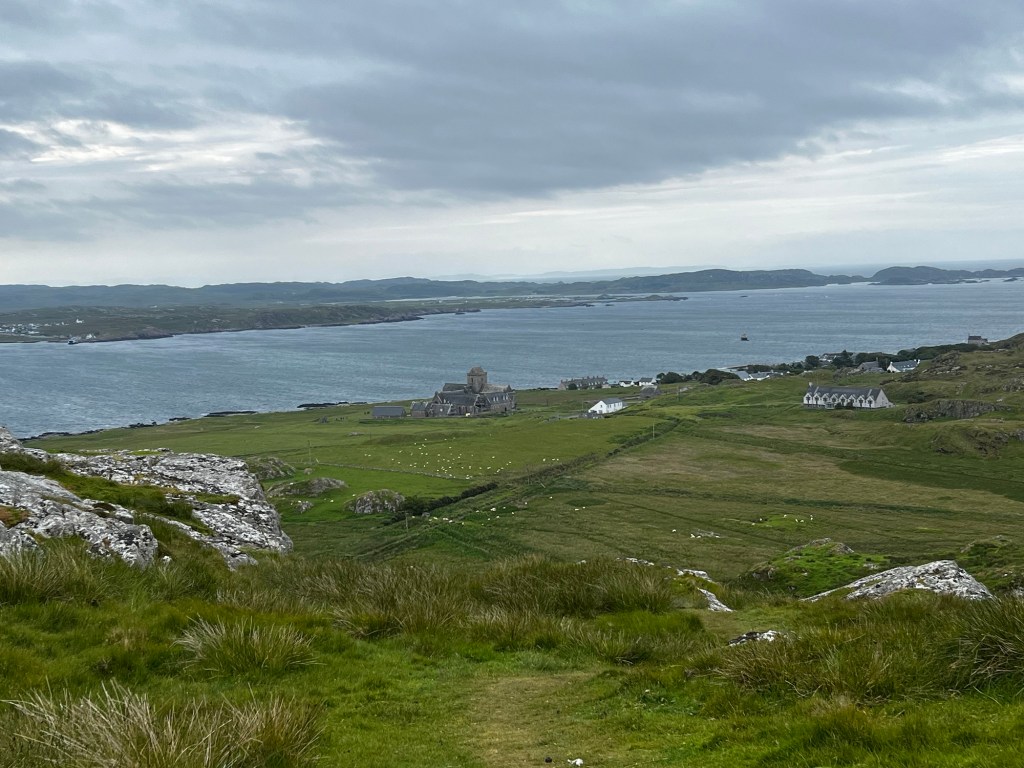
The scenery was beautiful and I could just see the abbey in the distance.

While humans have been living here for about 3,000 years, they aren’t the only inhabitants. Other residents of Iona are…
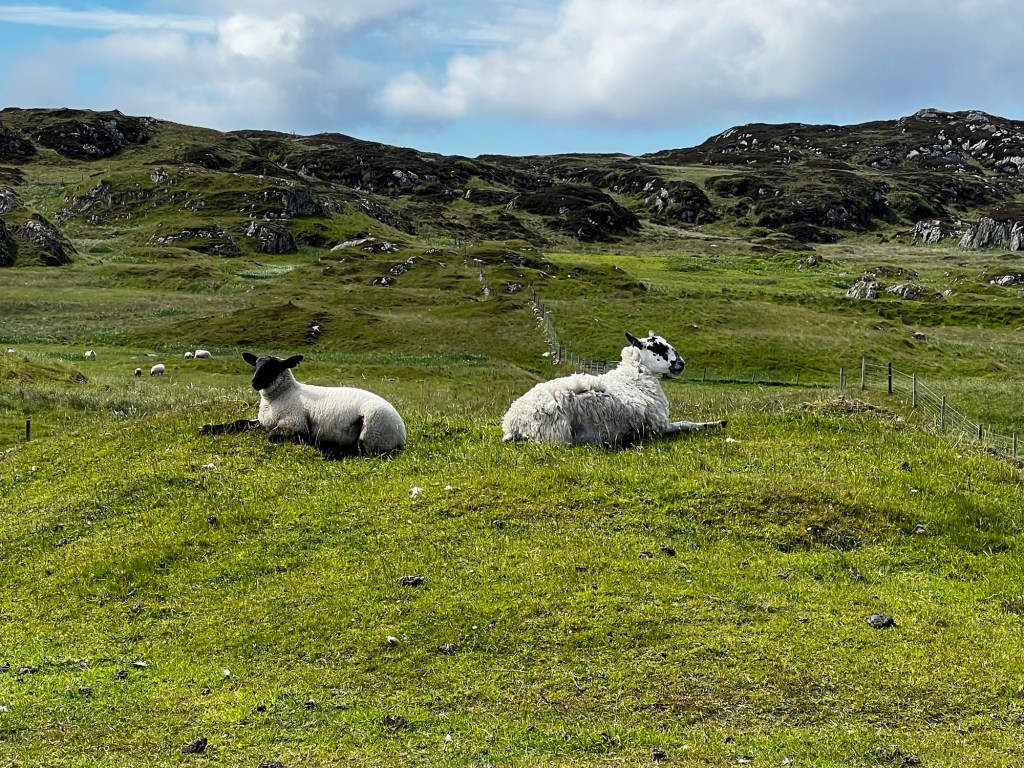


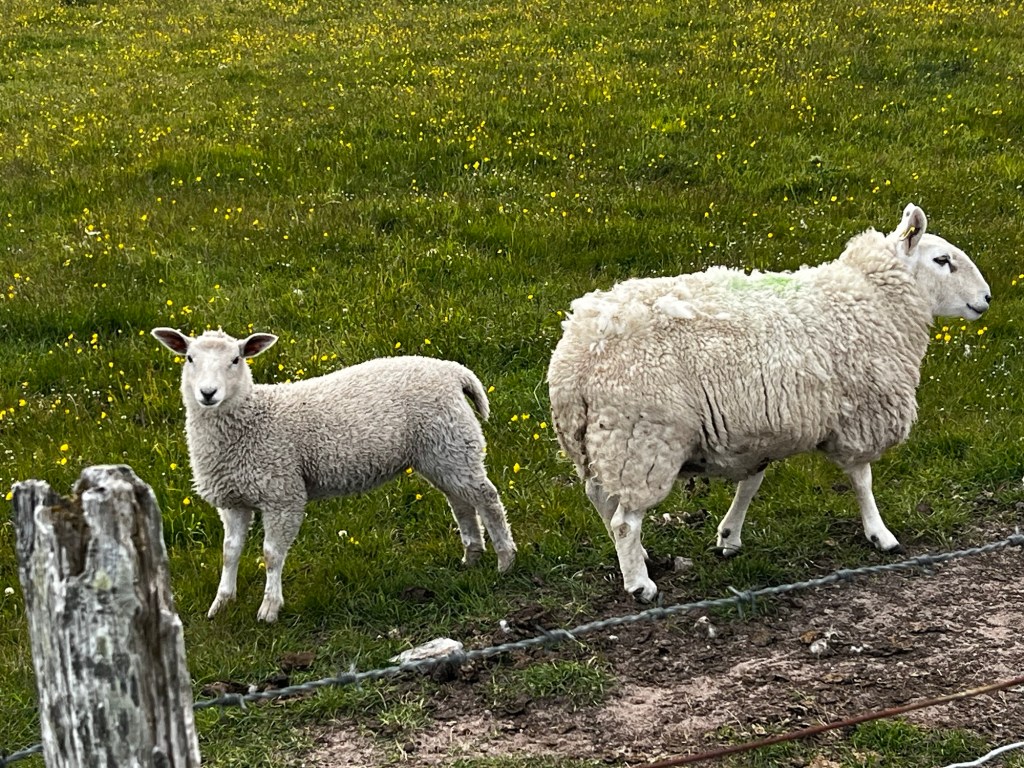

What a gorgeous island with wonderful people, stunning scenery, and sweet animals!

 The PCUSA Pilgrim Pastor
Leave a comment